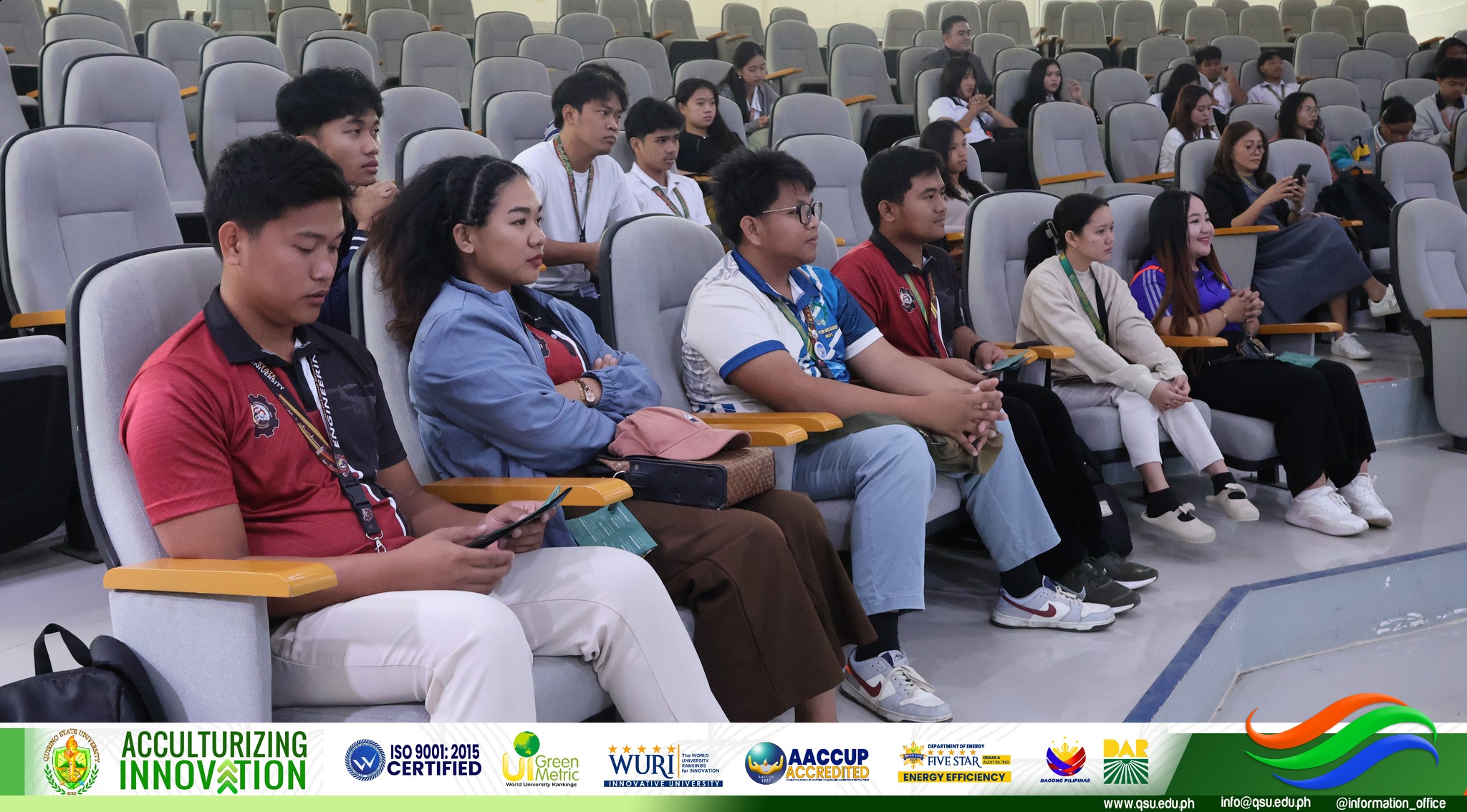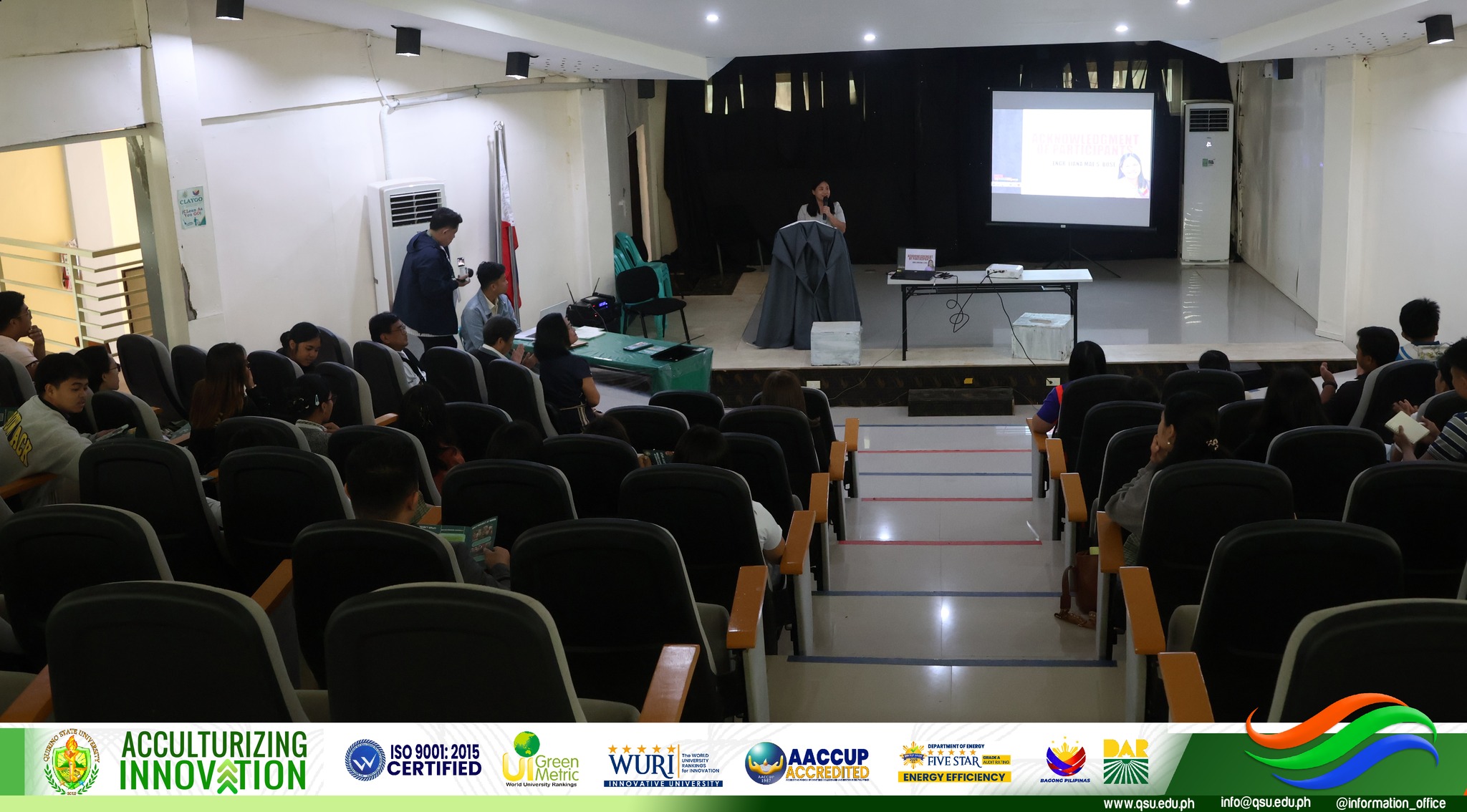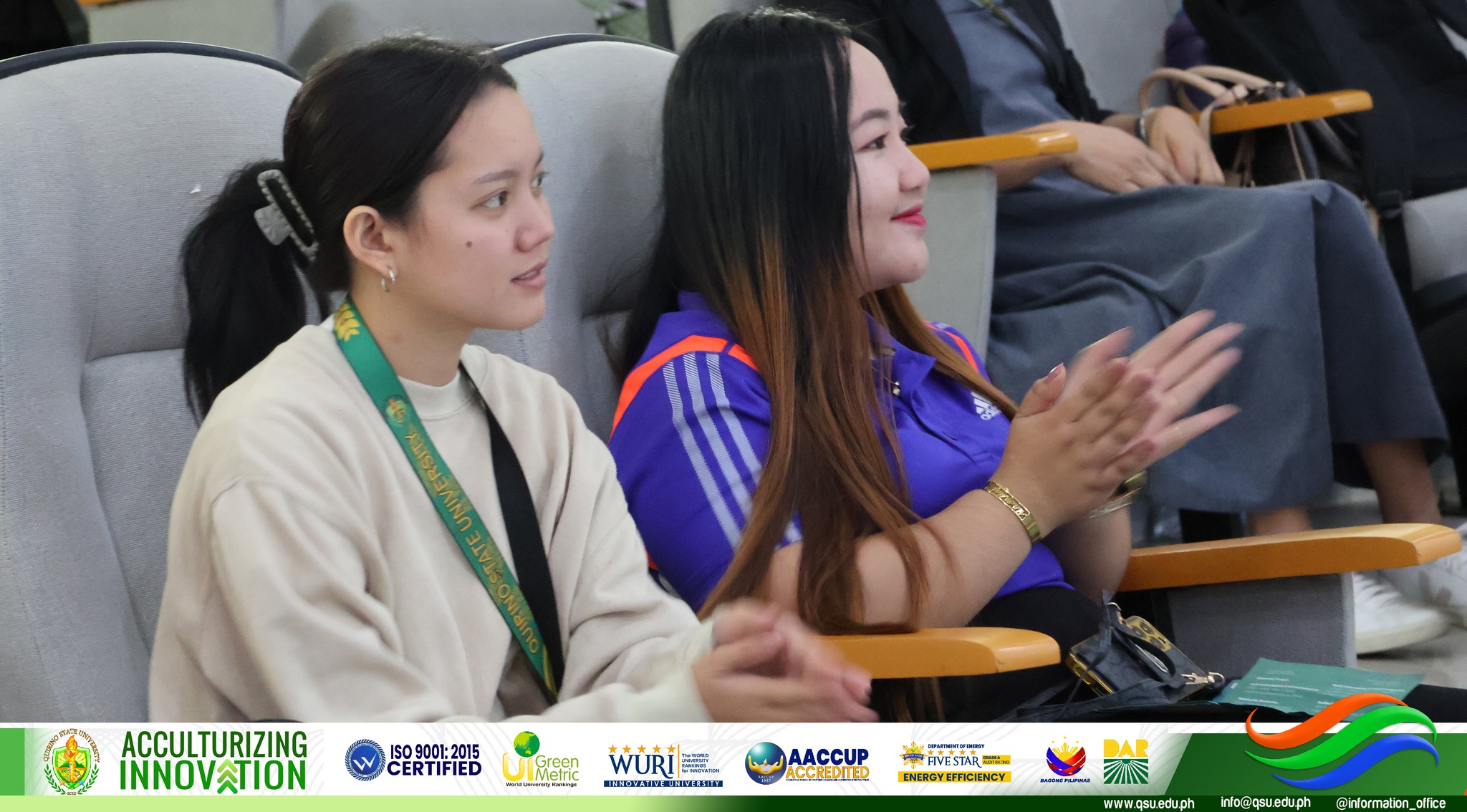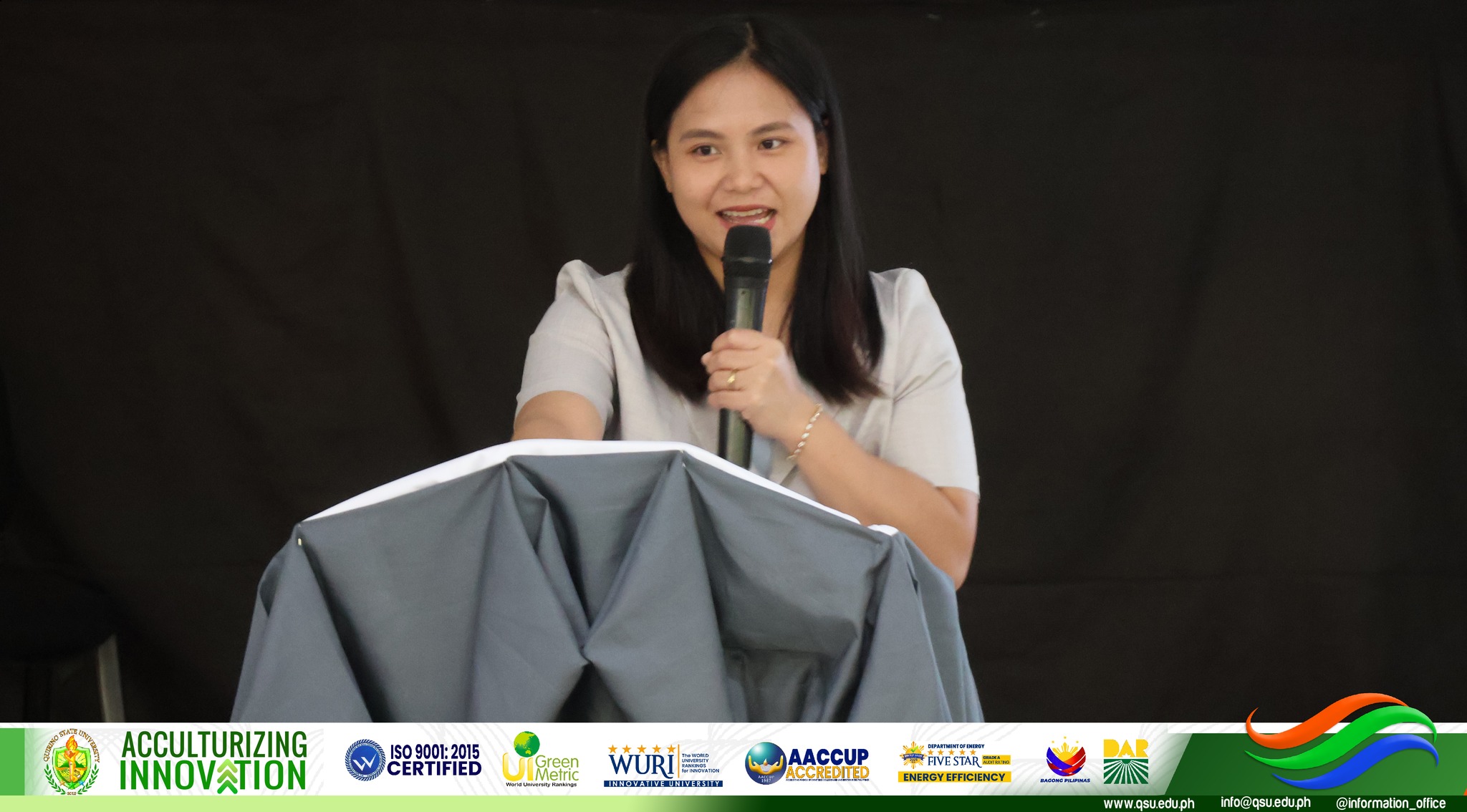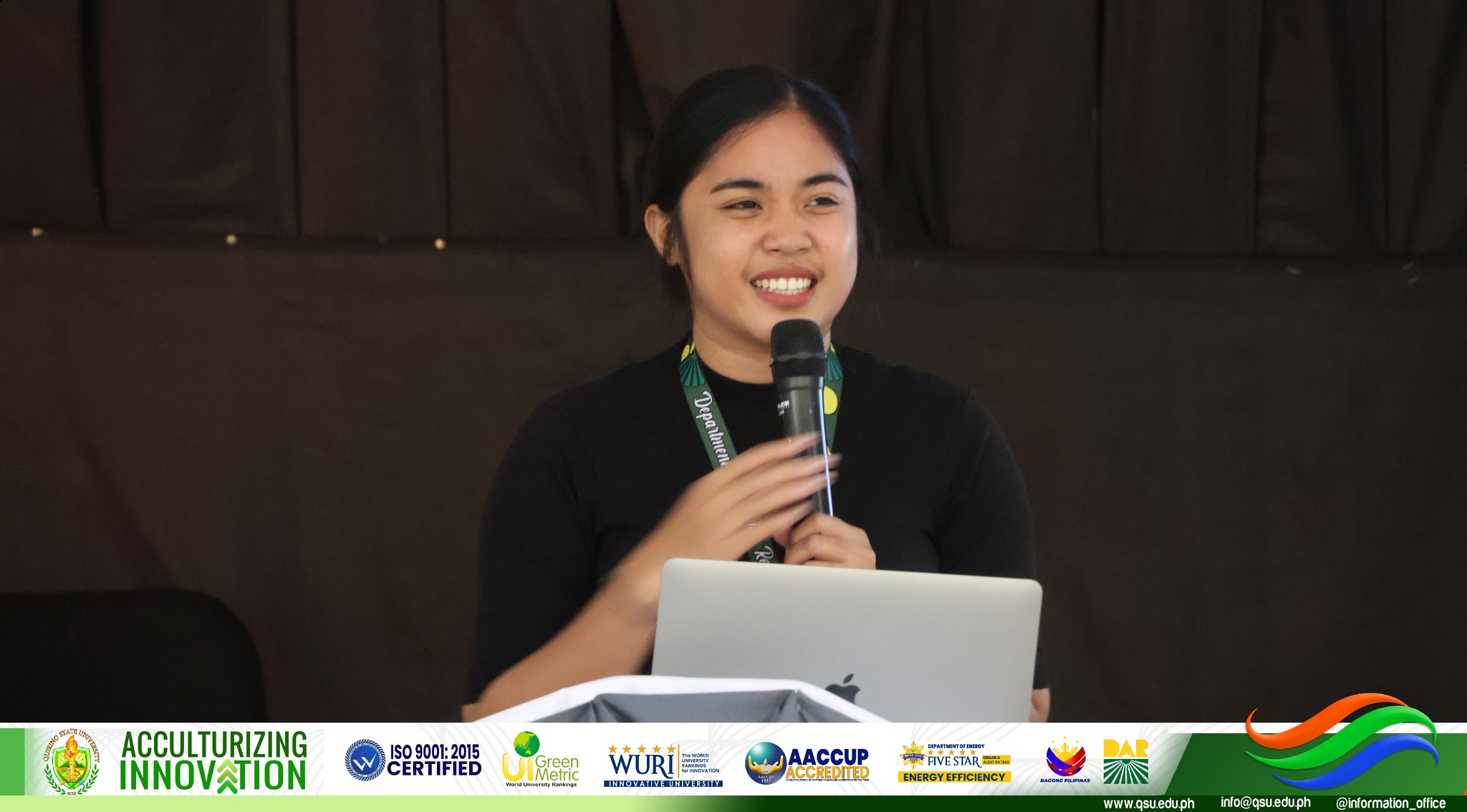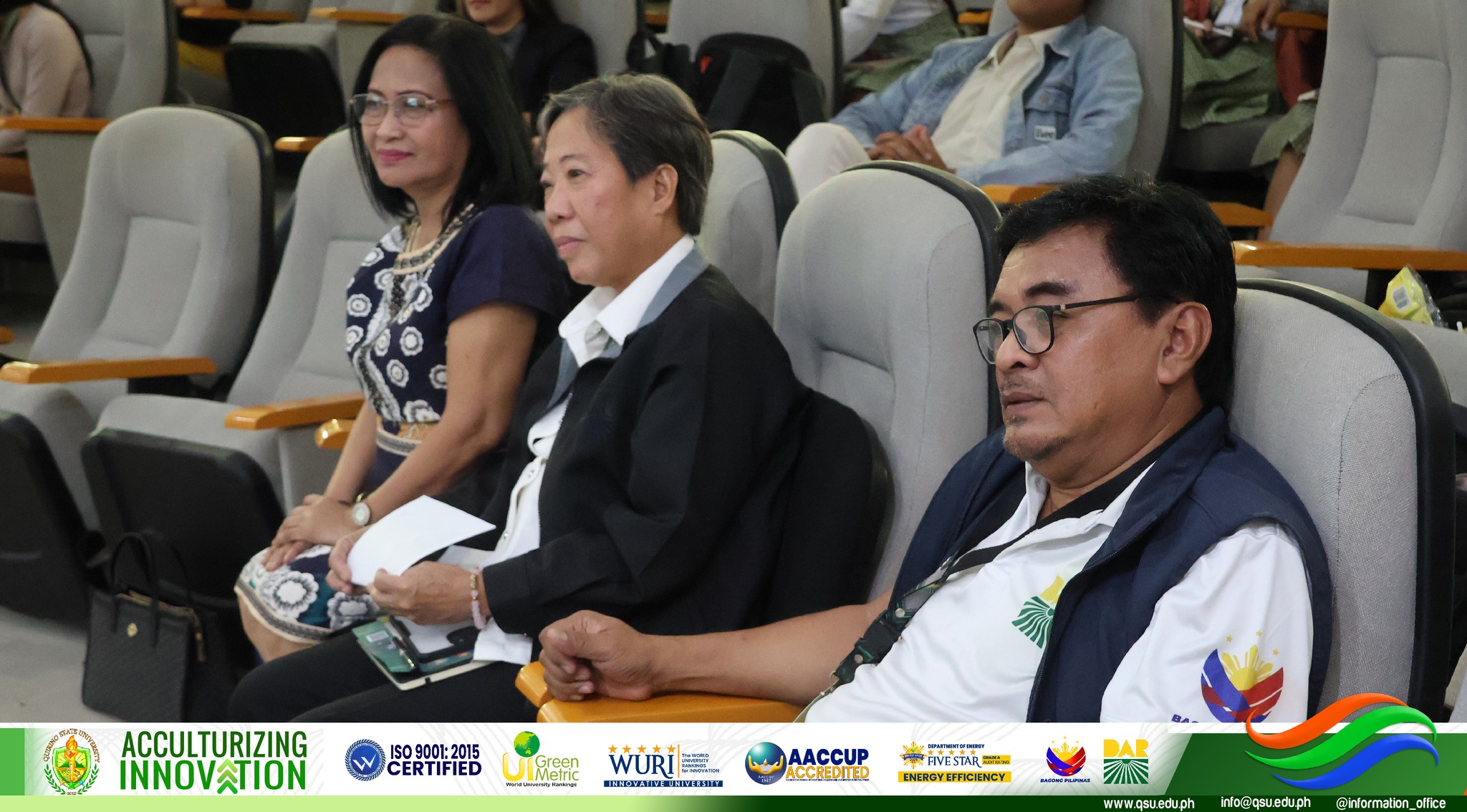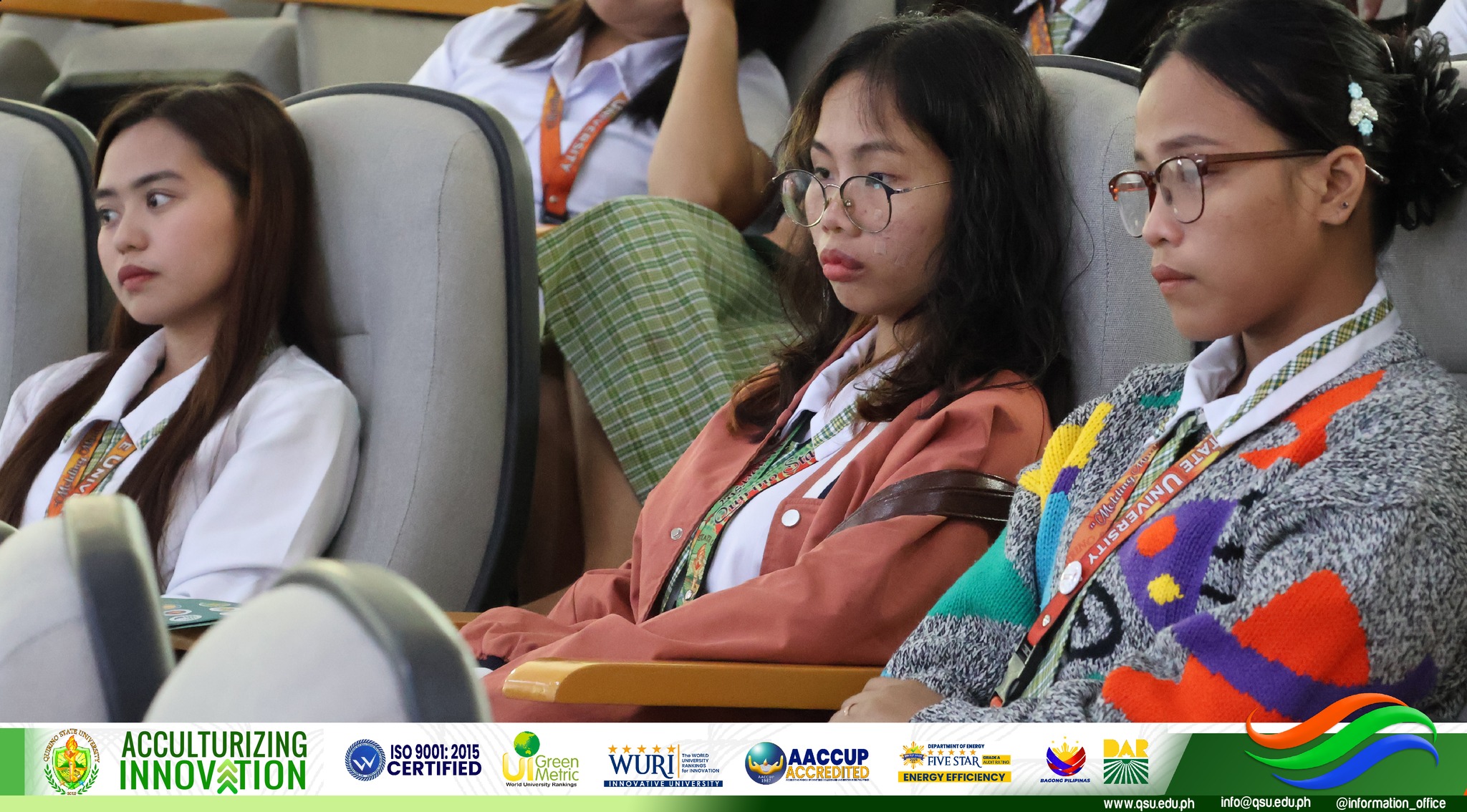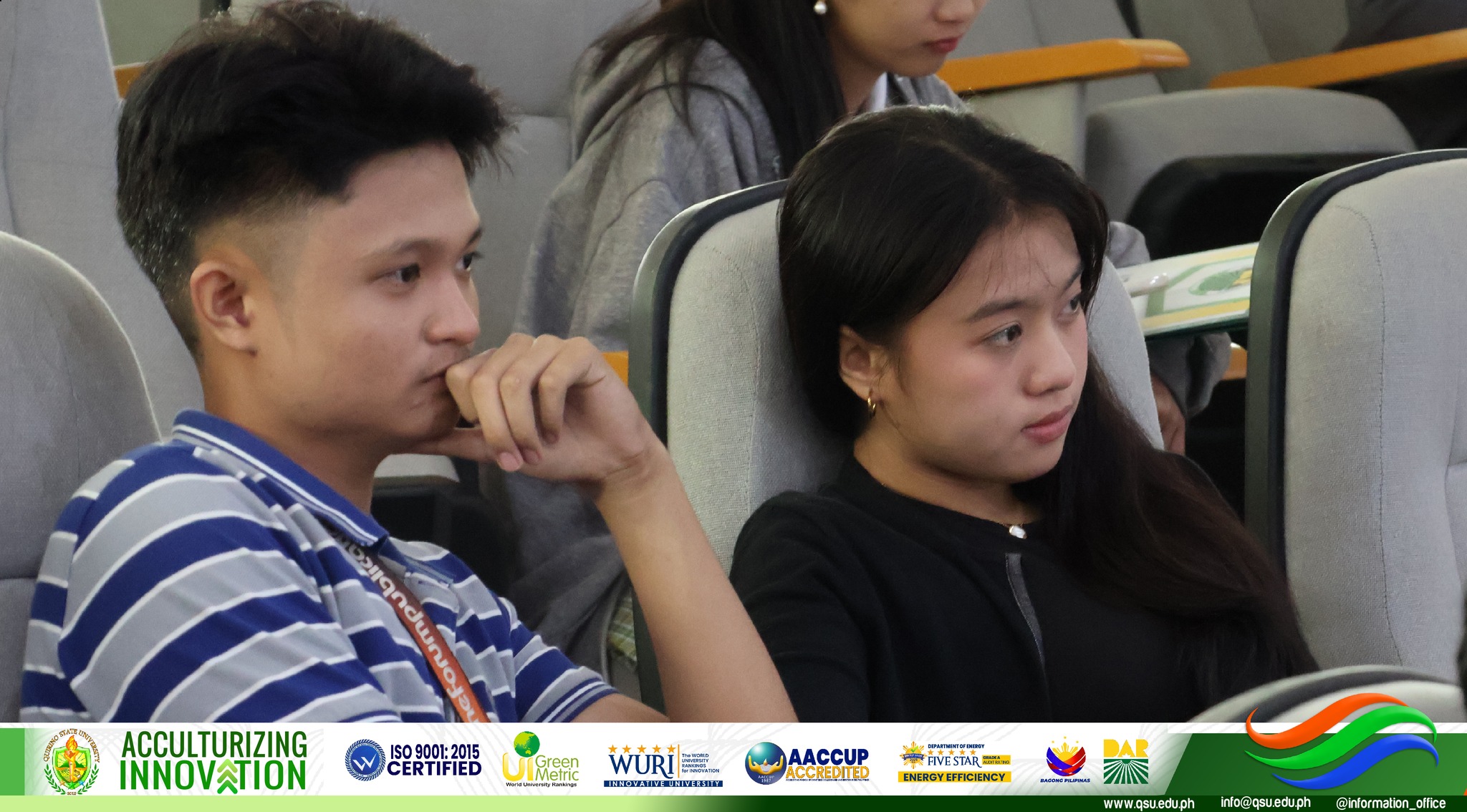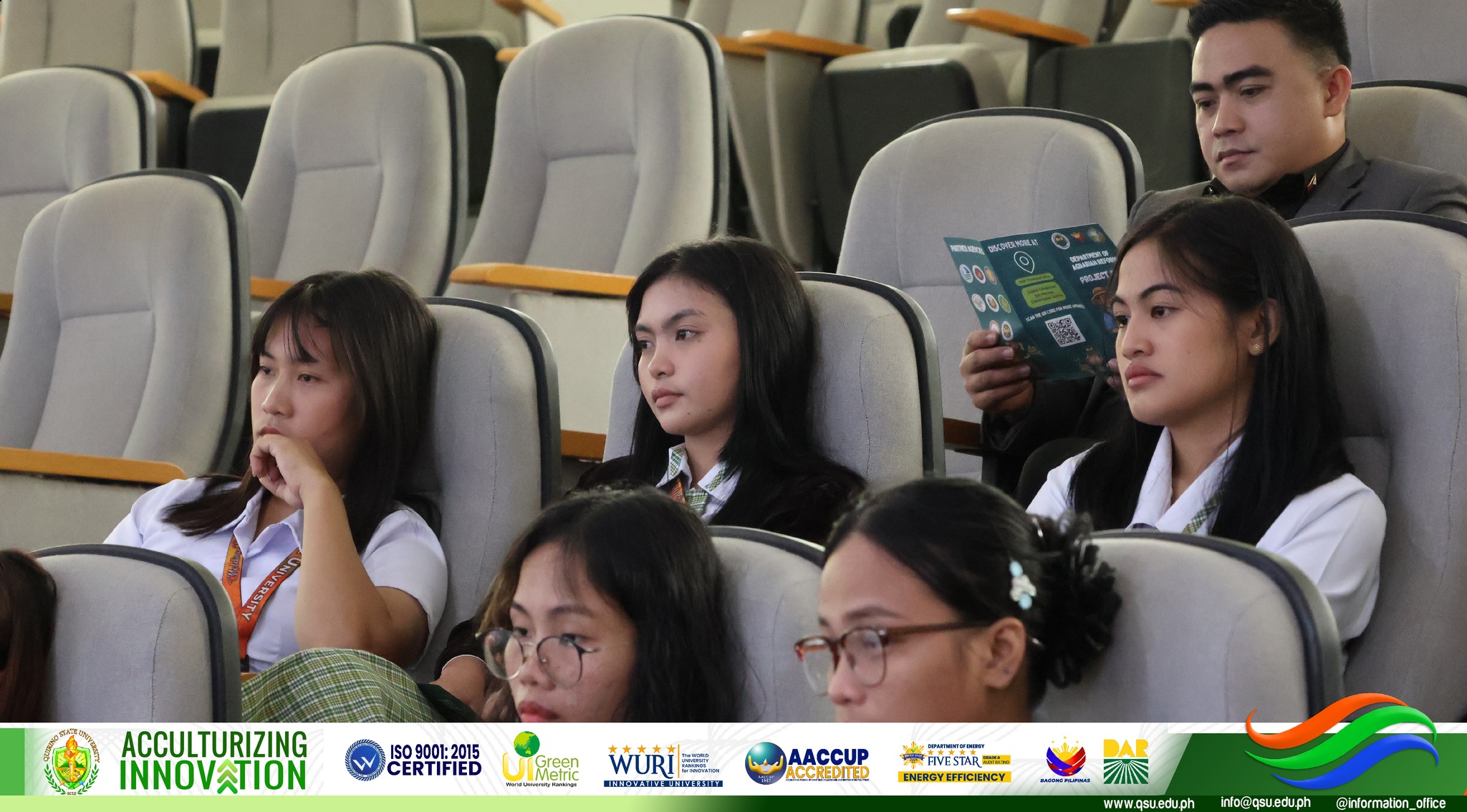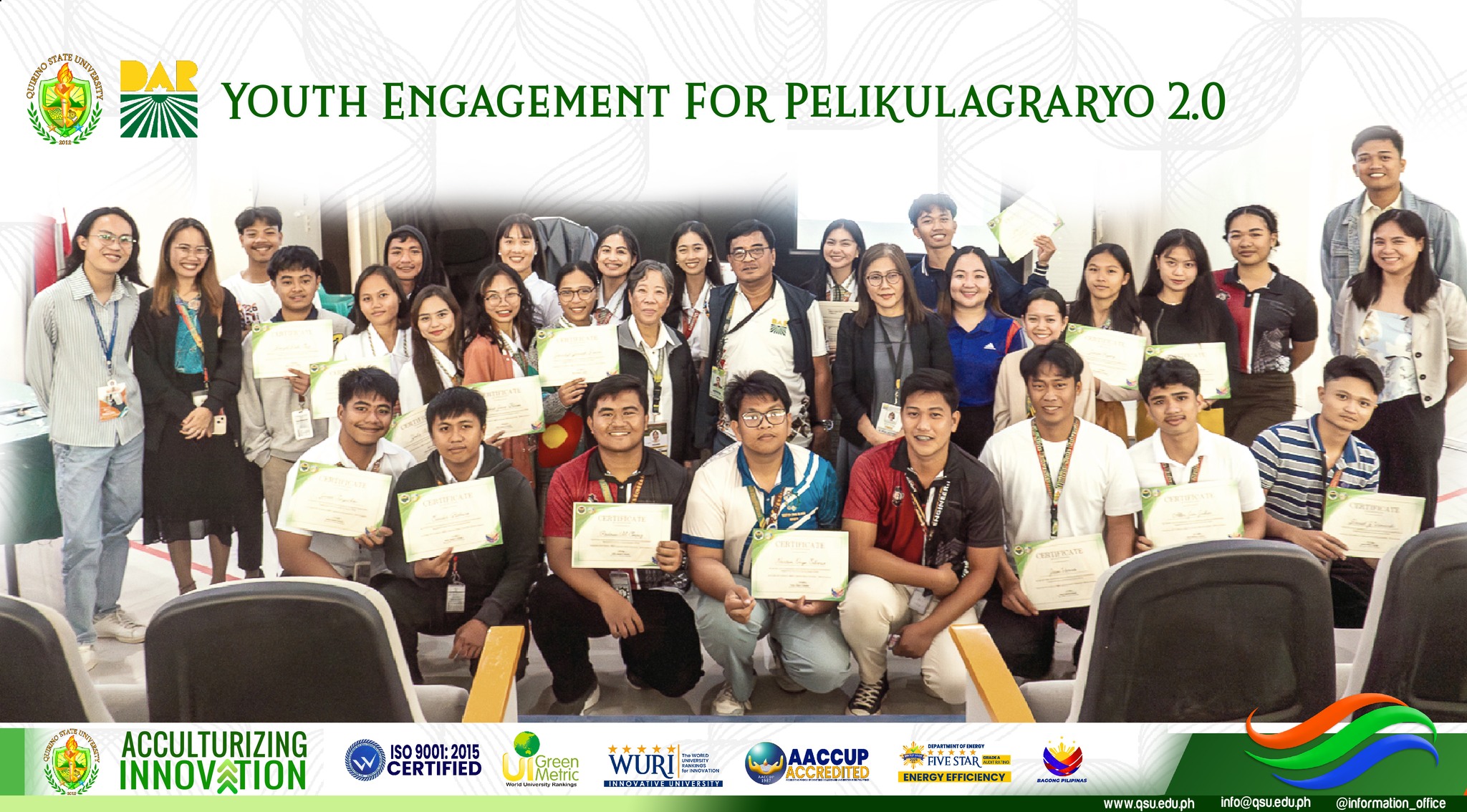


The Department of Agrarian Reform (DAR)-Quirino and the University conducted a collaborative meeting in preparation for PelikulAgraryo 2.0, an initiative that documents the importance of agrarian reform through creative storytelling. This youth engagement activity was held earlier today, March 16, at the Amphitheatre of Diffun Campus.
Carrying the theme “Tinig ng Lupang Malaya: Kwento at Aral-Agraryo, Butil na Pamana sa Kabataan,” the film-making activity aims to showcase the stories of farmers and cultivate a deeper appreciation for the agricultural sector among the youth.
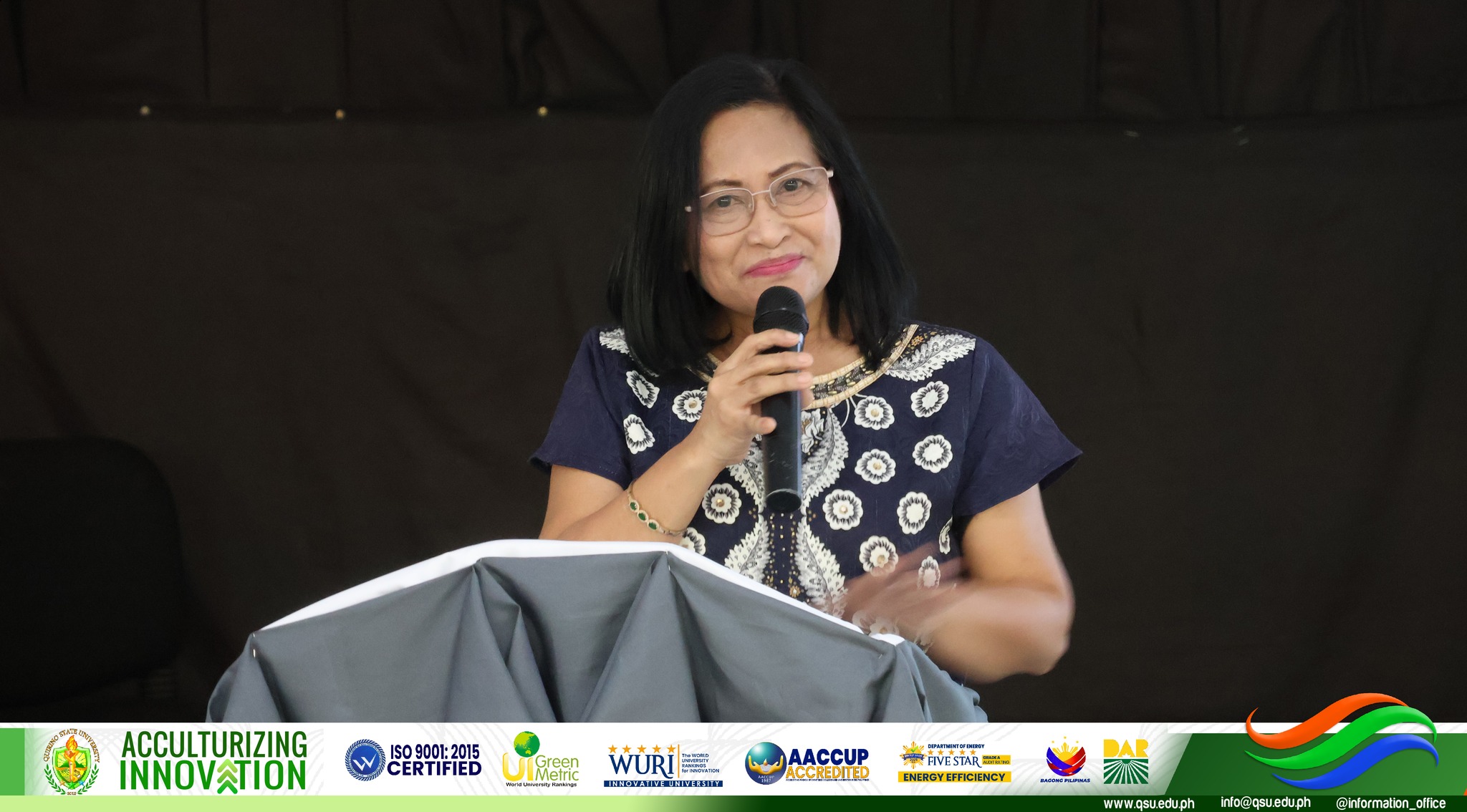
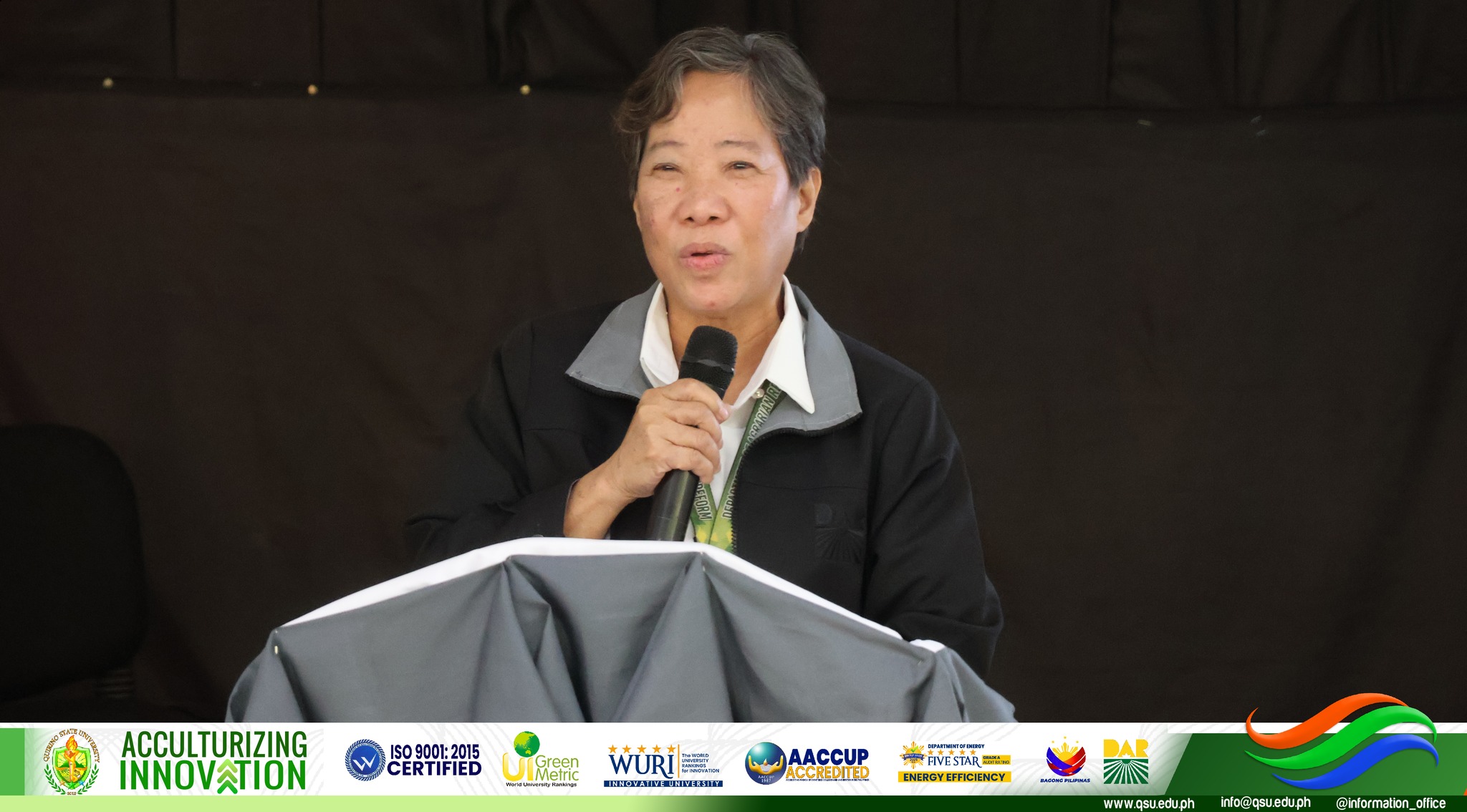
Dr. Florigold V. Saldaen, Vice President for Administration and Finance, encouraged the students to actively participate in the activity. She emphasized that the project provides a meaningful platform for them to show their creativity, talents, and storytelling skills while raising awareness about the significance of agriculture and agrarian reform in nation-building.
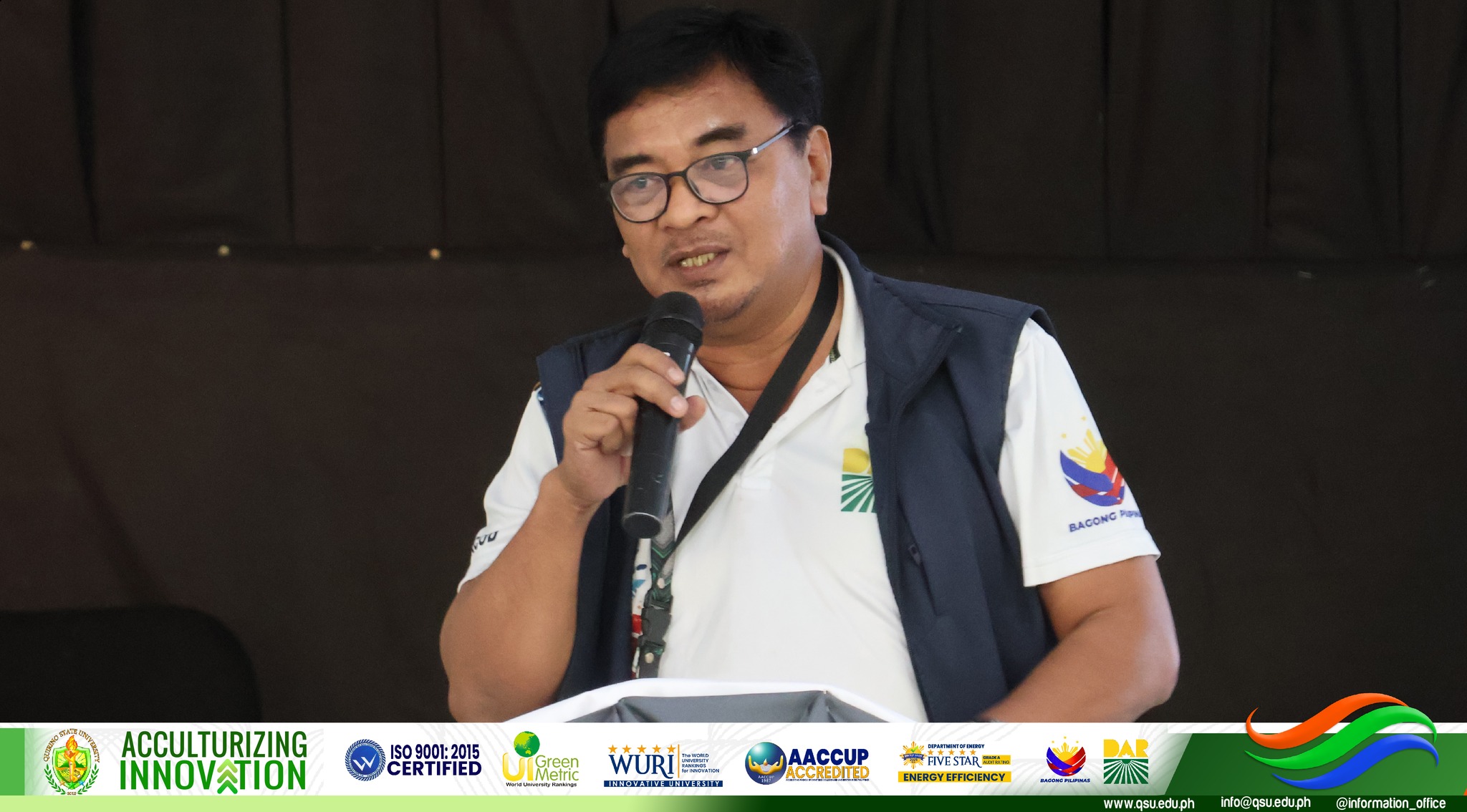
Meanwhile, the DAR-Quirino team, headed by Engr. Pedro T. Barasi, Officer-in-Charge – Provincial Agrarian Reform Program Officer II (OIC-PARPO II), discussed the agency’s programs designed to benefit local farmers. Among the initiatives highlighted was the Support to Parcelization of Lands for Individual Titling (Project SPLIT), which enables farmers to obtain their own individual land titles. This program empowers agrarian reform beneficiaries by giving them legal ownership of the land they cultivate, strengthening their security and opportunities for development.
Furthermore, Ms. Venelyn T. Mabungan, OIC PARPO I, and Ms. Kynlet Z. Domingo, ARPT, also shared how sustainable support programs help farmers improve their productivity and livelihood. These initiatives include capacity-building trainings, distribution of agricultural equipment, marketing assistance, and legal advisory services. Such programs help farmers gain access to land and receive the necessary support to sustainably manage and develop their agricultural resources.
With the support of DAR-Quirino, this activity provided the participating students an opportunity to transform real-life experiences into compelling films that portray the lives, struggles, and achievements of agrarian reform beneficiaries.
|𝐐𝐈𝐎