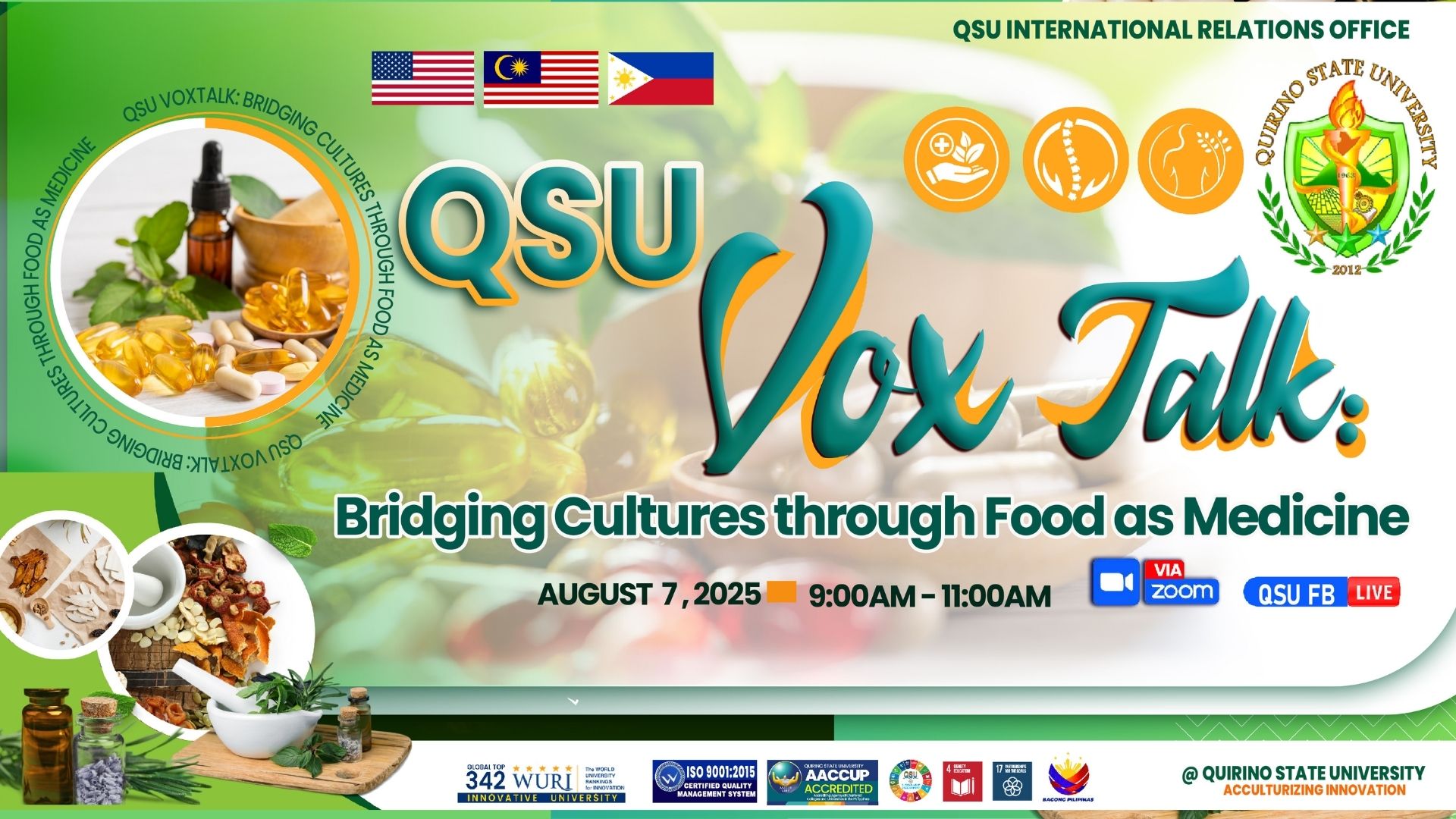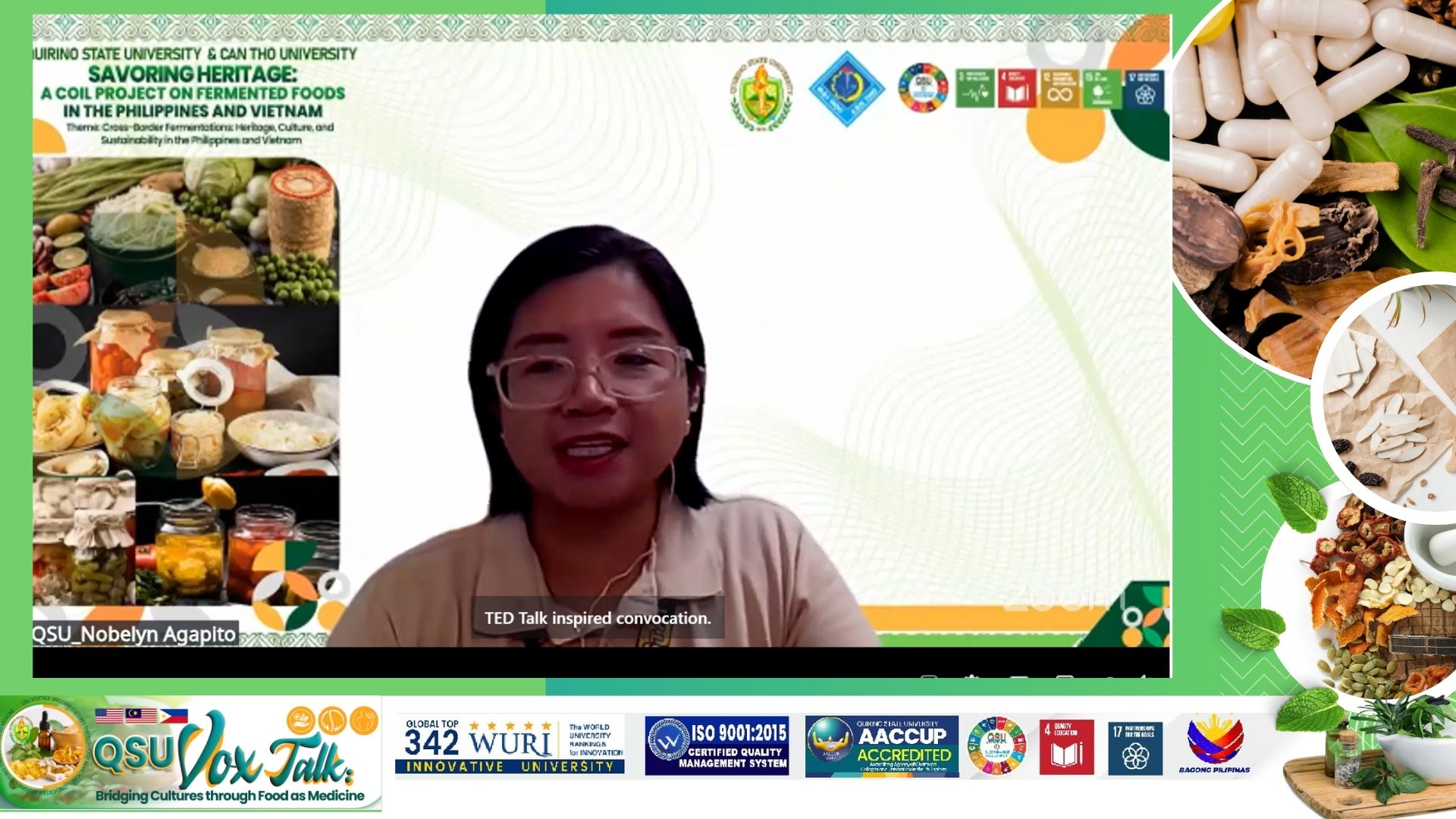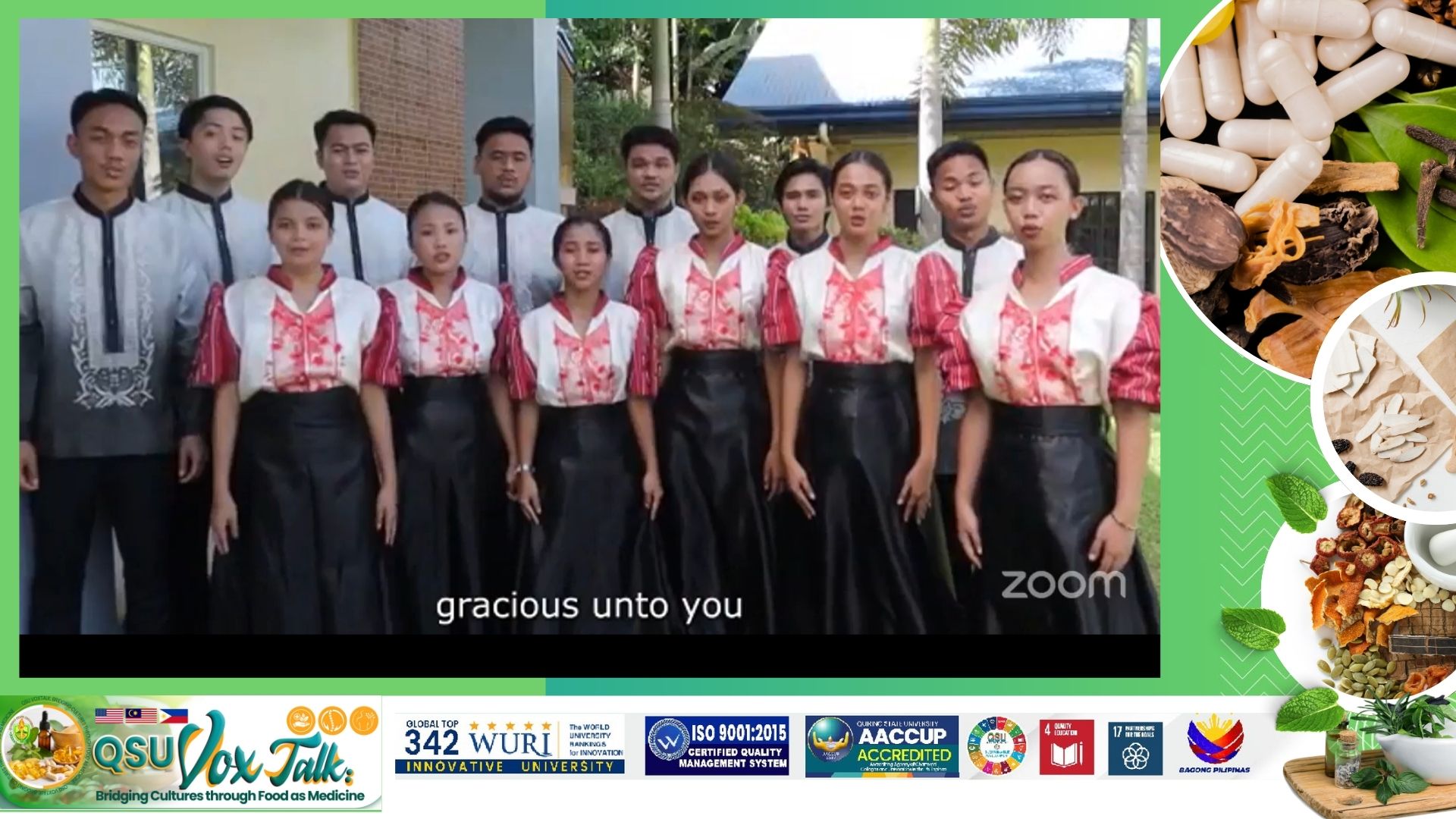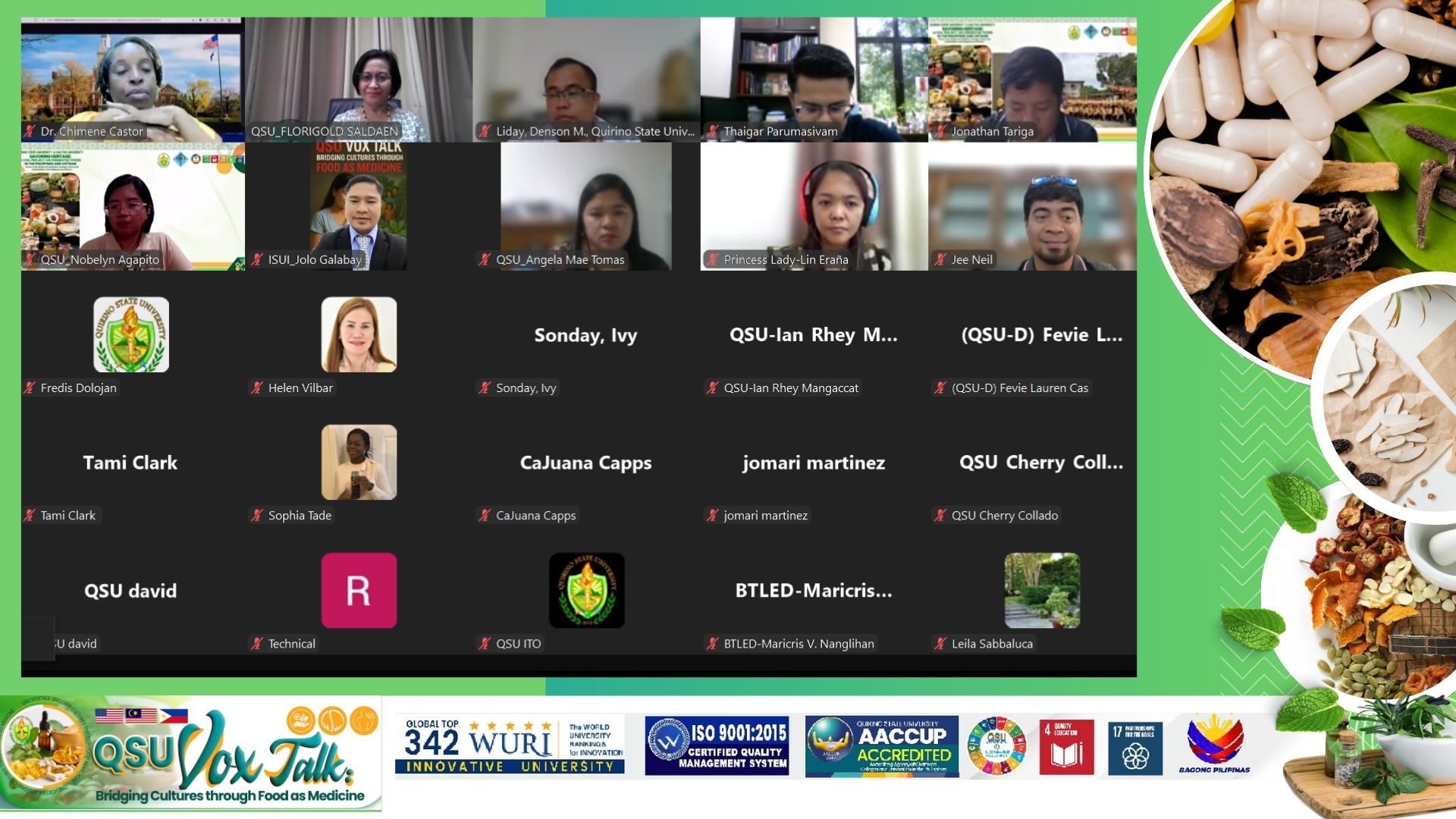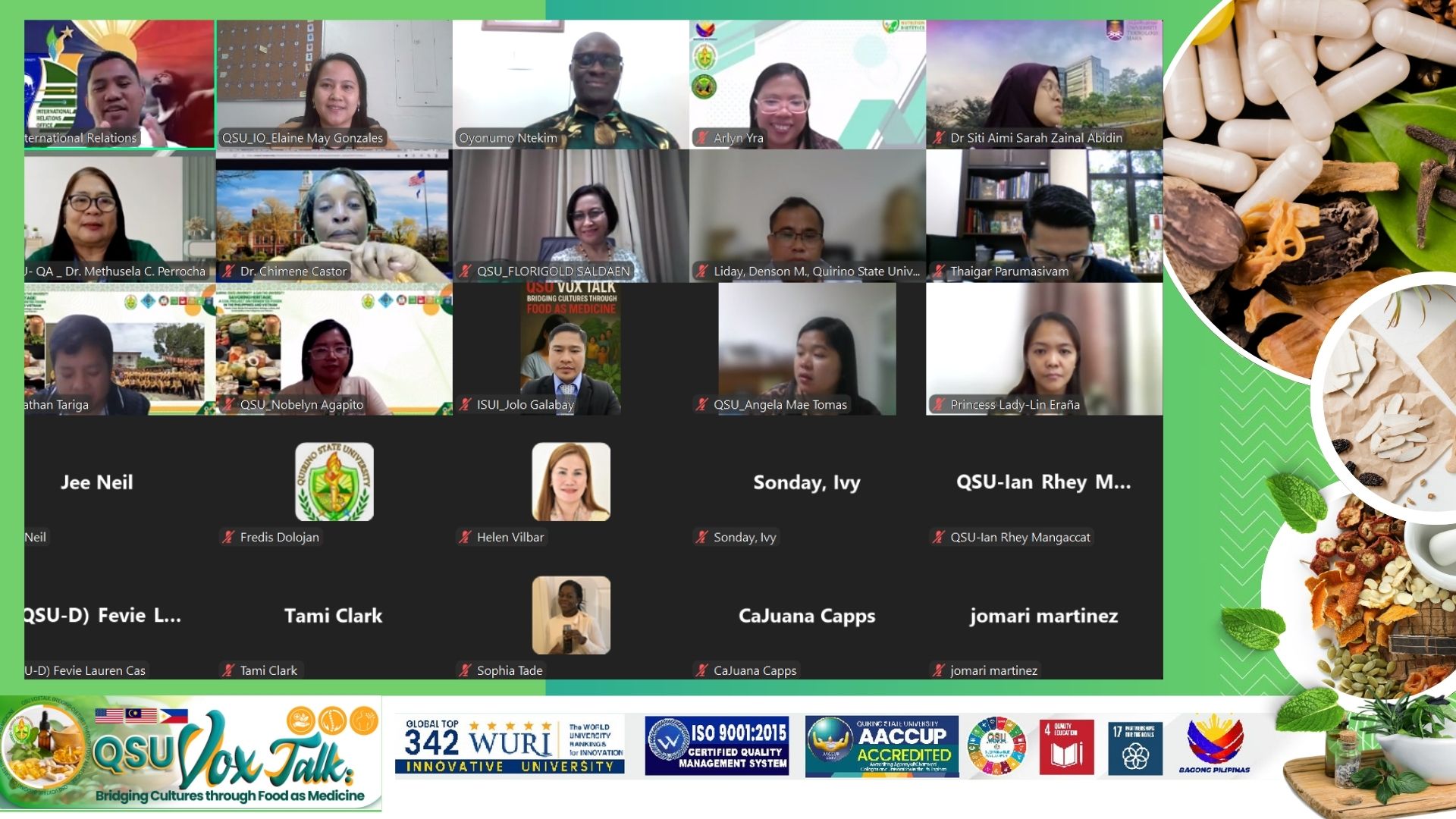


The University recently organized and hosted the “QSU VoxTalk: Bridging Cultures Through Food as Medicine,” a TED-talk-inspired event. The platform was created to explore how traditional practices and plant-based remedies contribute to holistic wellness and sustainable living.
As part of the ASEAN Celebration of the Internationalization Week 2025, the hybrid event was attended by faculty and students from various departments including the Colleges of Agriculture, Education, Engineering, Health Sciences, Hospitality and Tourism Management, and other online participants. With an aim to promote global dialogue and academic exchange, the talks explored the intersection of real stories, scientific insights, and cultural wisdom on one stage.
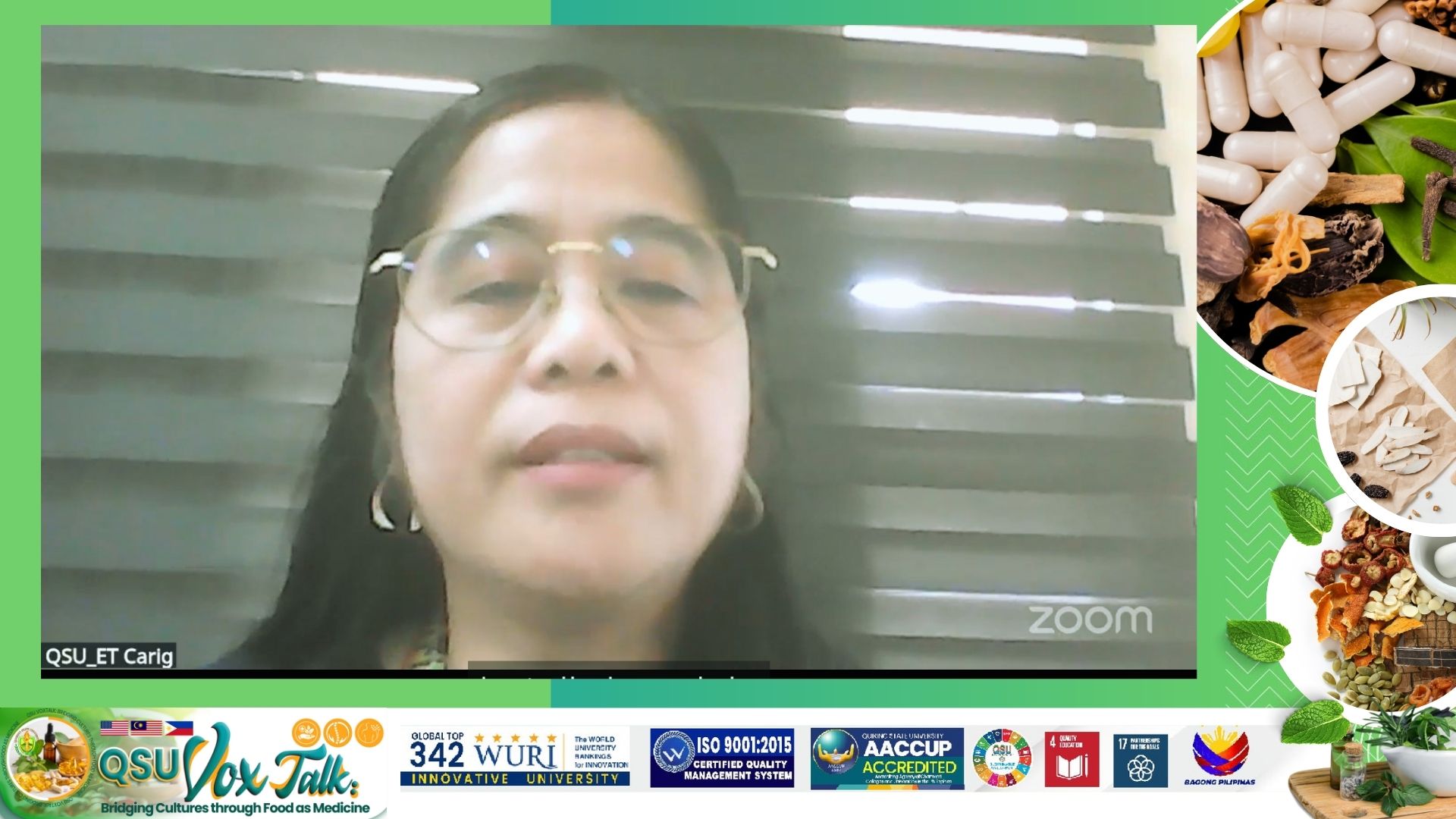
The event commenced with words of welcome and gratitude from Dr. Elizabeth T. Carig, Vice President for Academics, Research, and Extension. She encouraged the participants to view food in transformative ways, suggesting the event be a time for connection, learning, and appreciation of the rich history that links everyone through the universal language of food.
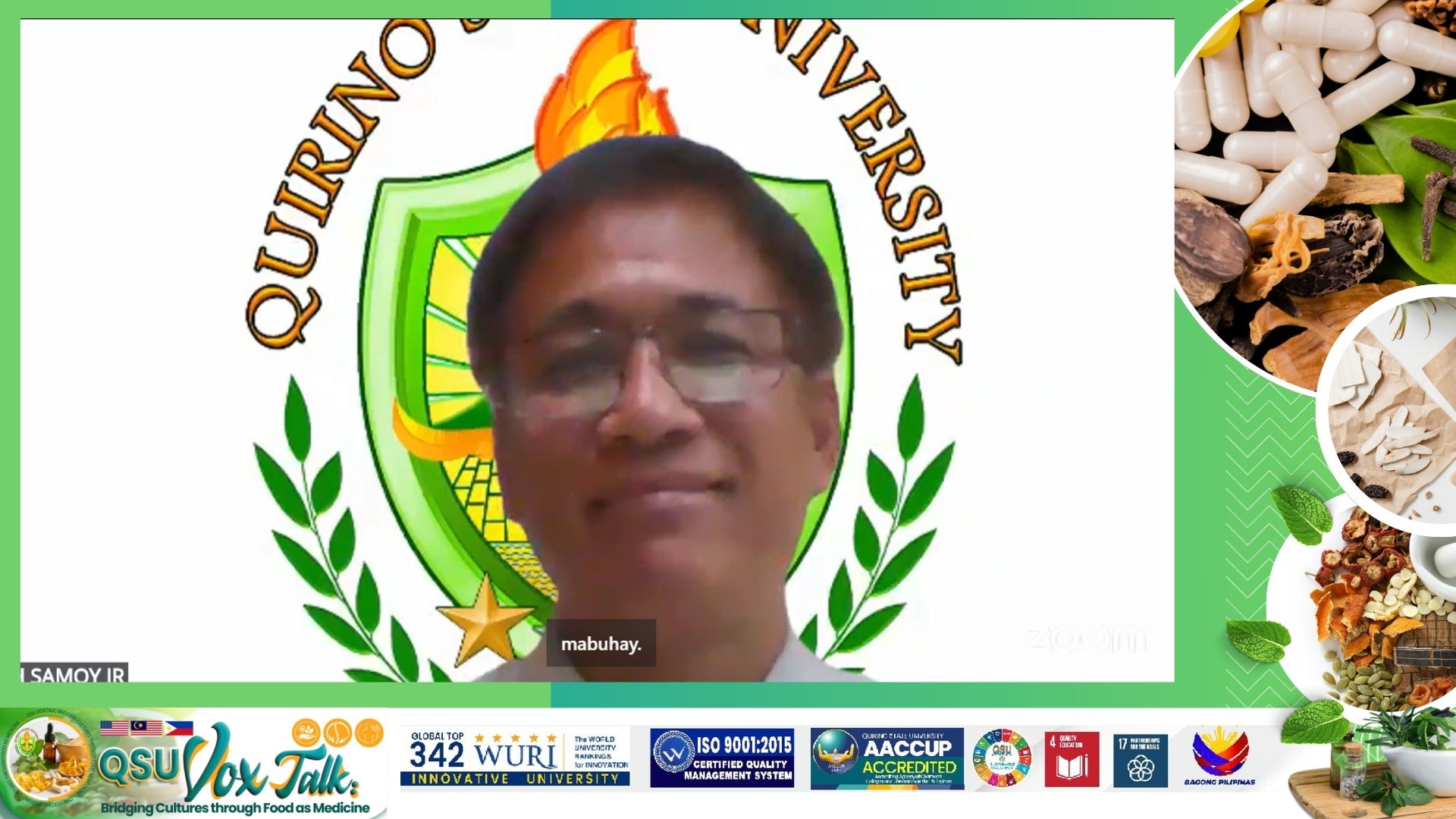
In his message, Dr. Hermenegildo F. Samoy, Jr., the University President, shared that in a world often divided, food has the power to bring people together across continents and generations. He motivated the participants to document and study food traditions, and to continue sharing them. “When we share our food, we share our identity, we build empathy, and in empathy, we find the medicine the world truly needs,” he said. He ended his talk with the hope that everyone would become “hungry to learn, to connect to the world, and to heal,” echoing the sentiment, “Let your food be your medicine and your medicine be your food.”
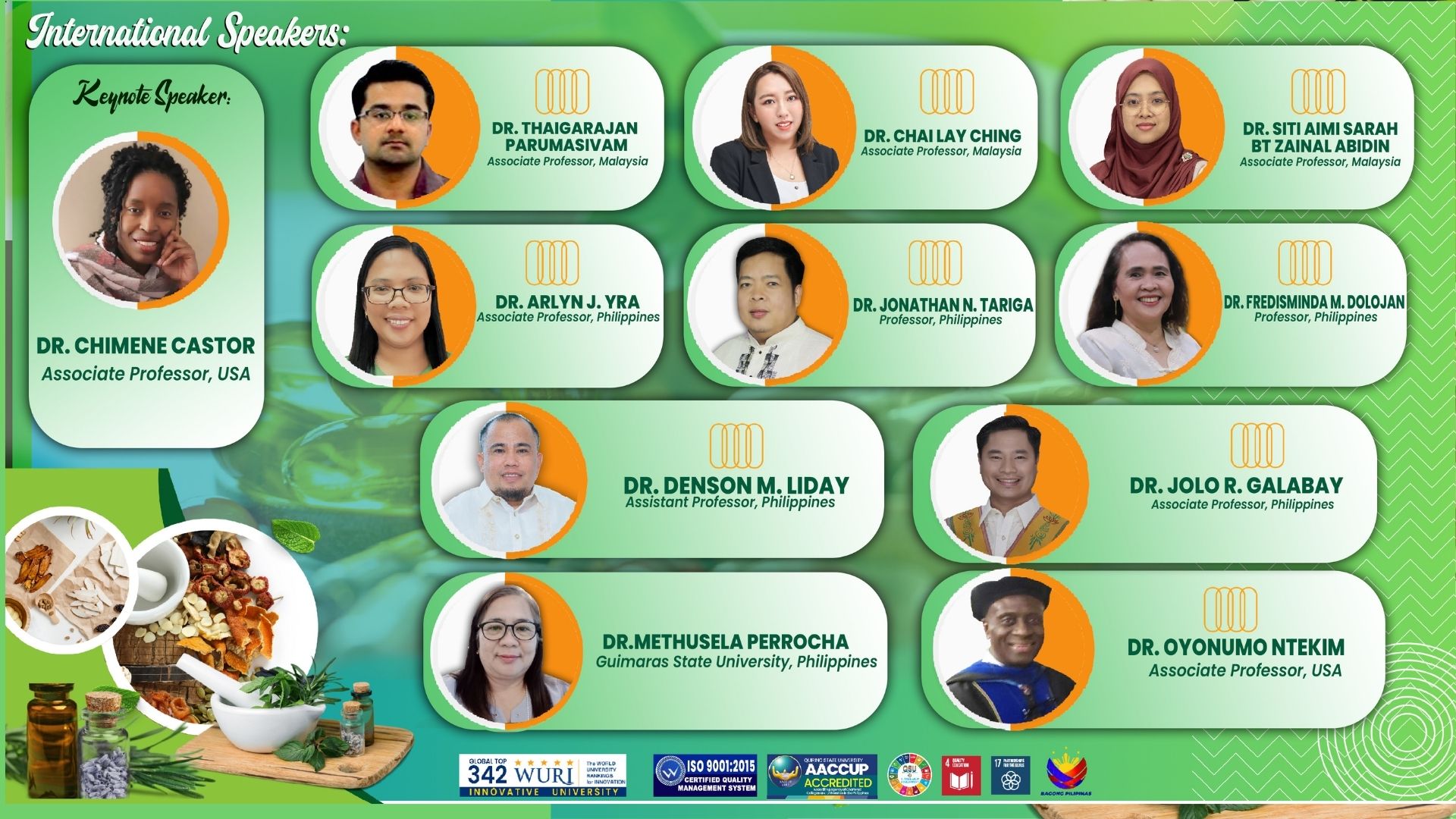
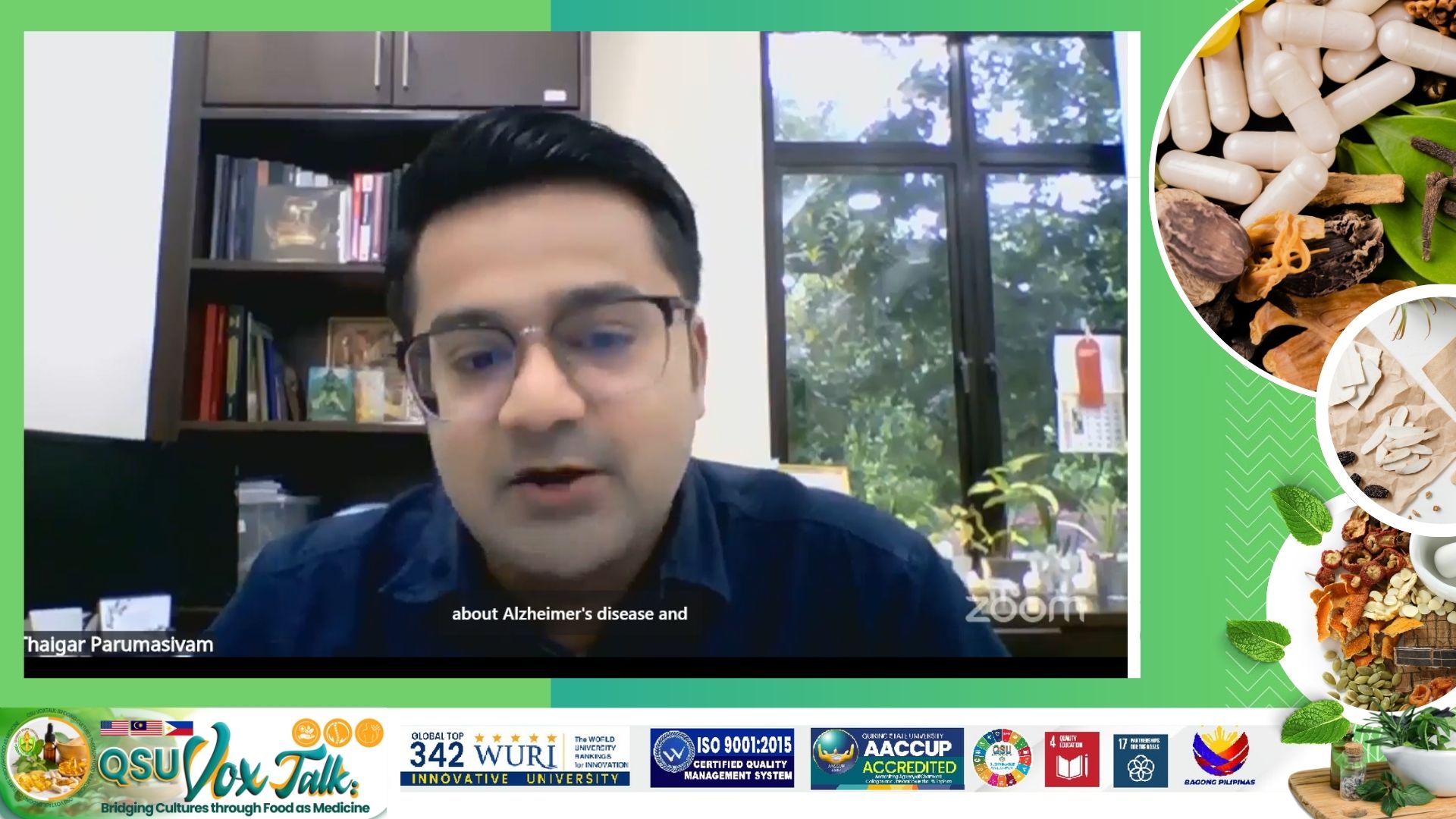
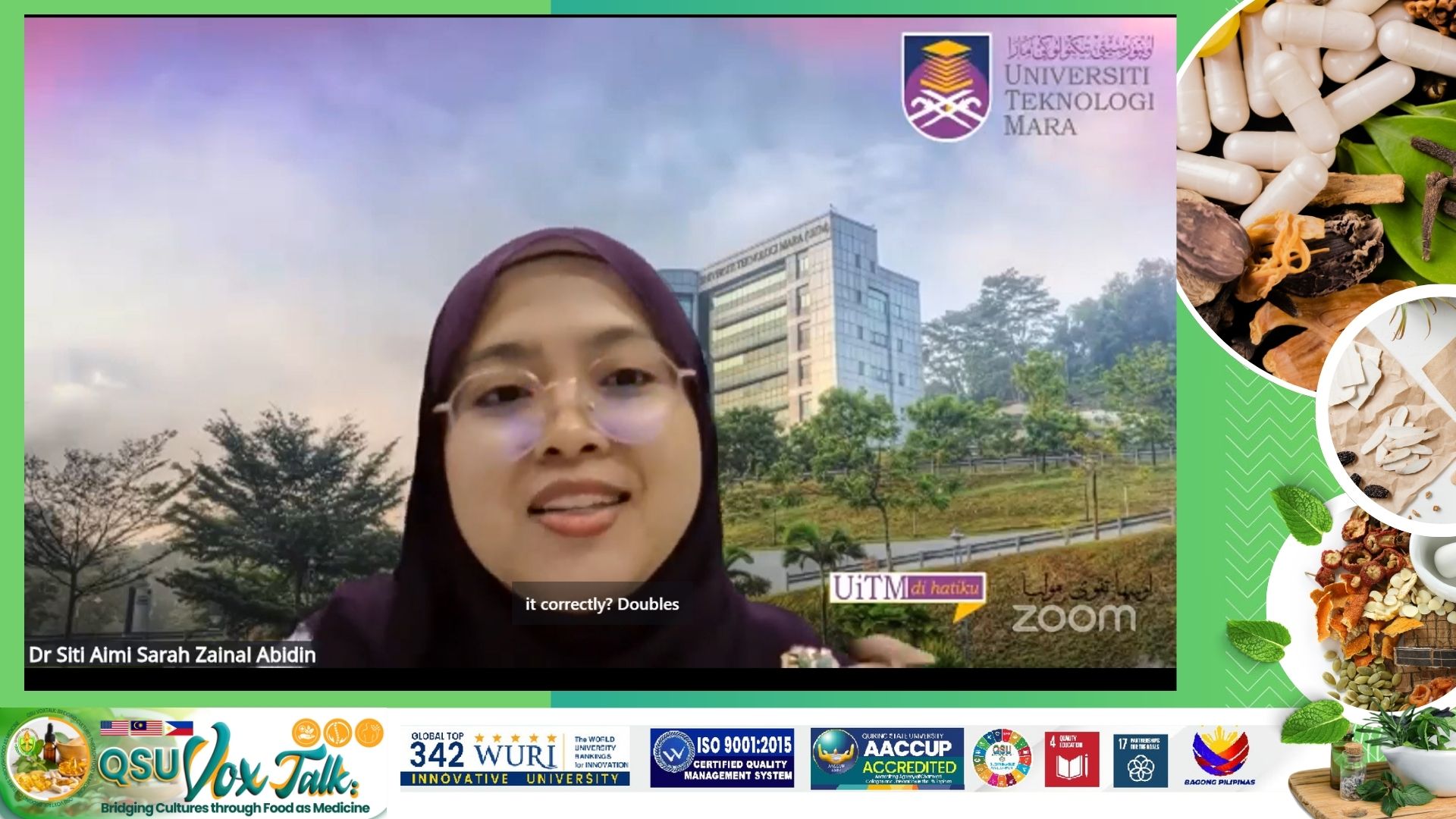
The event featured compelling talks from a diverse roster of speakers from Asia, the Pacific, and the U.S.A. From Malaysia, Dr. Thaigarajan Parumasivam discussed how consuming the right kinds of food can impact brain health and potentially slow the progression of Alzheimer’s disease and dementia. Meanwhile, Dr. Aimi Siti introduced traditional Malaysian cuisine and herbs that are important for brain health, gut health, healing of skin diseases, and improved lactation. She also raised awareness on Halal as a commitment to choosing healthy food that is prepared in a clean, safe, and hazard-free environment.
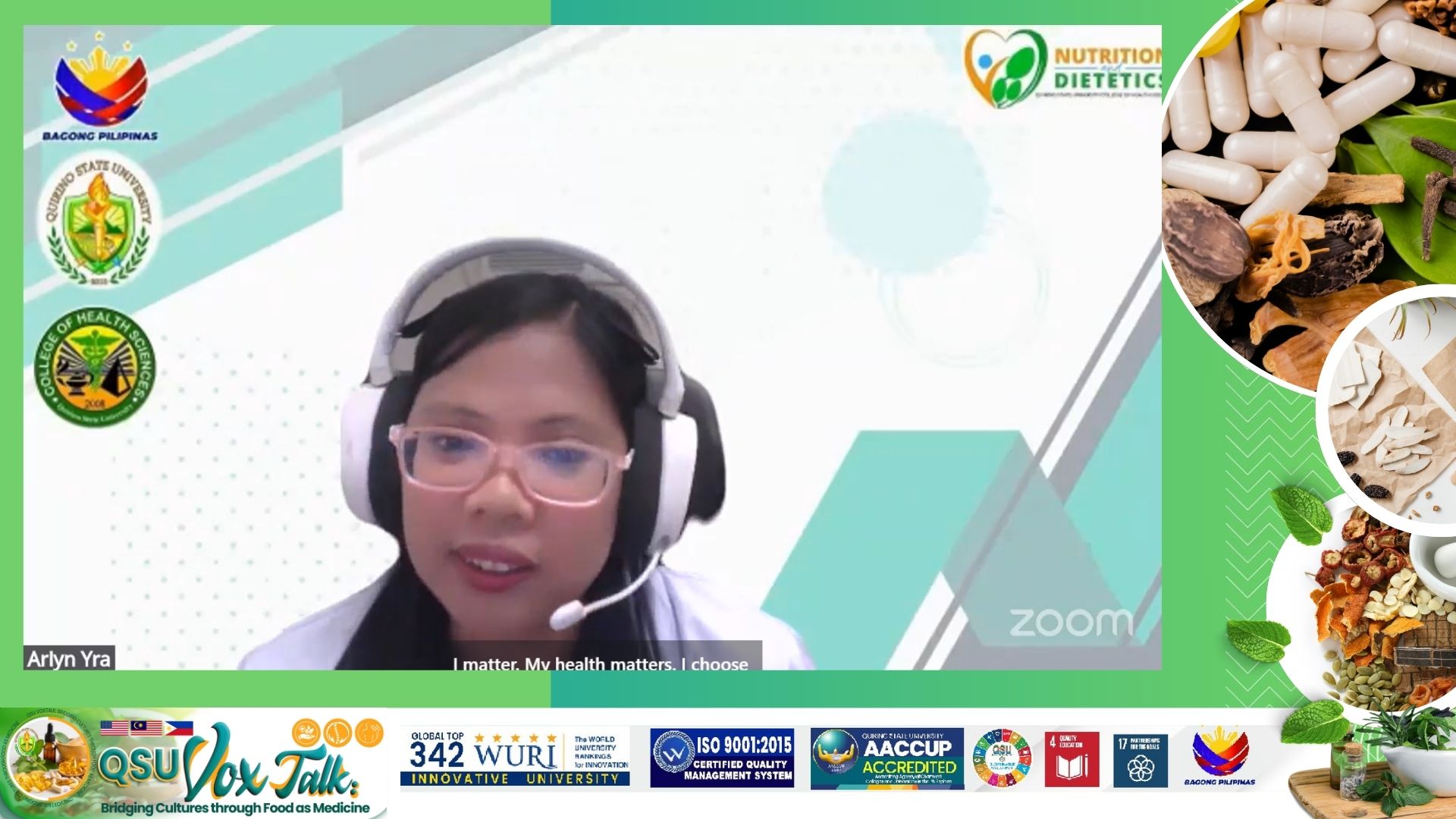
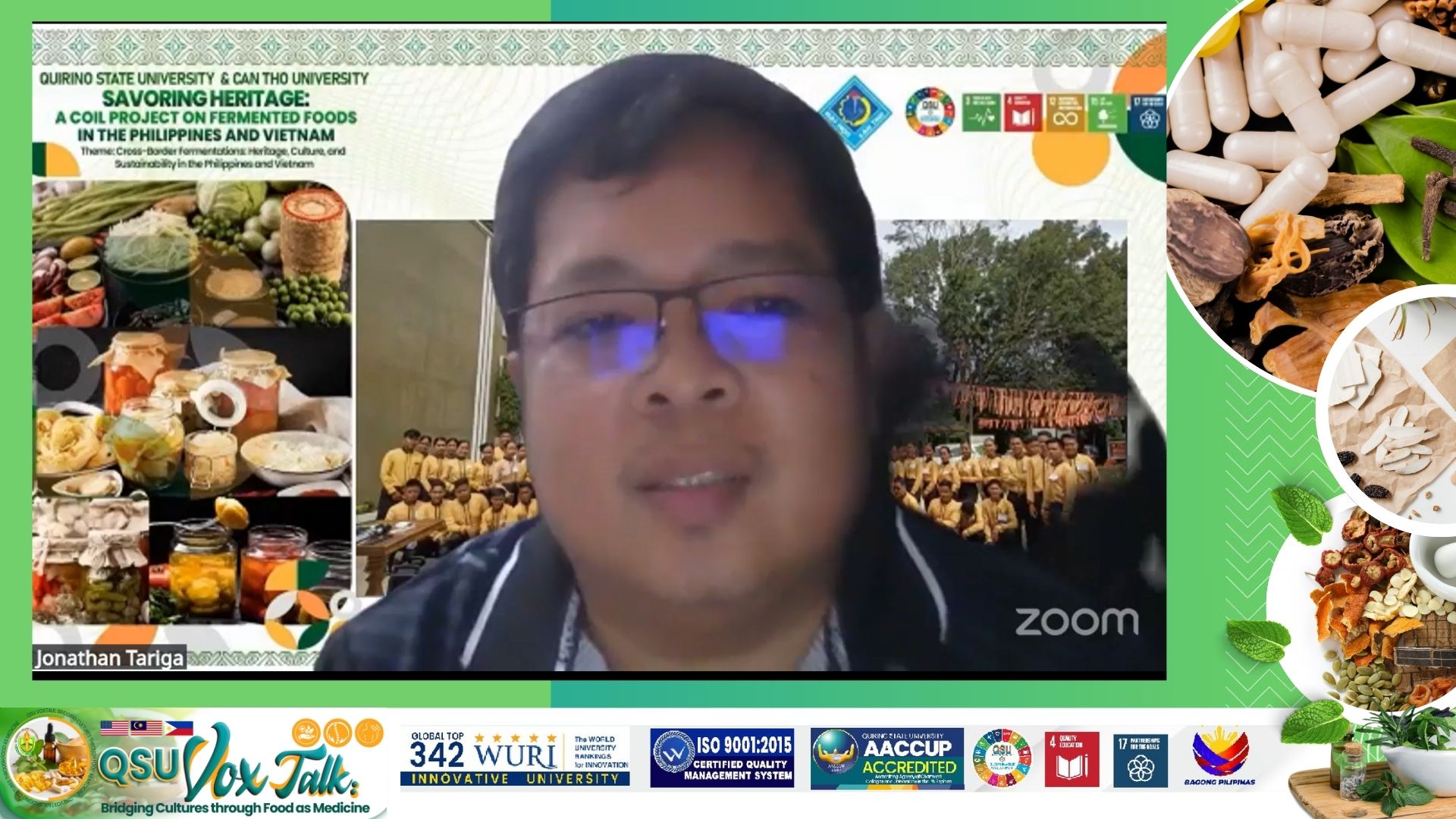
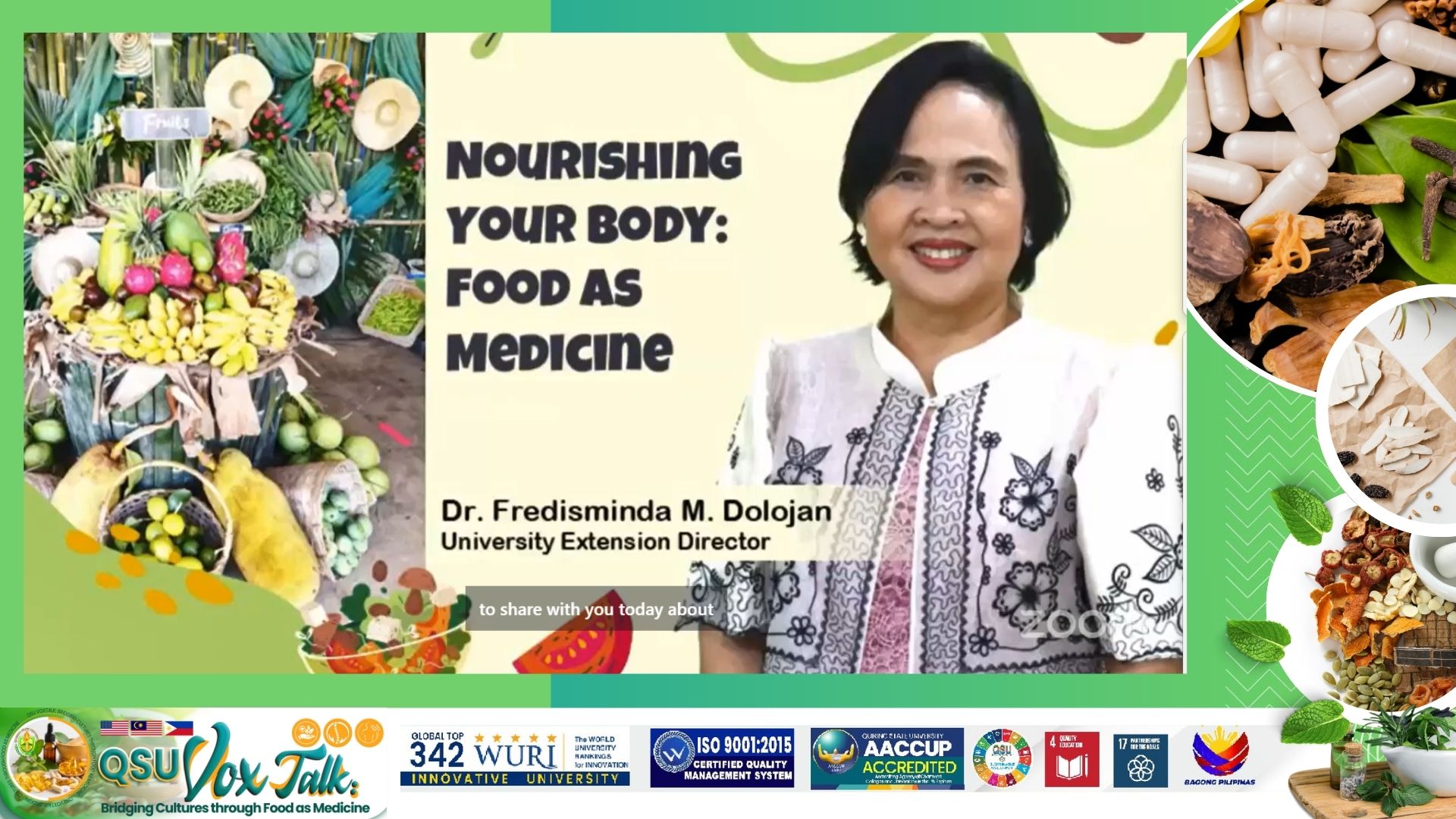
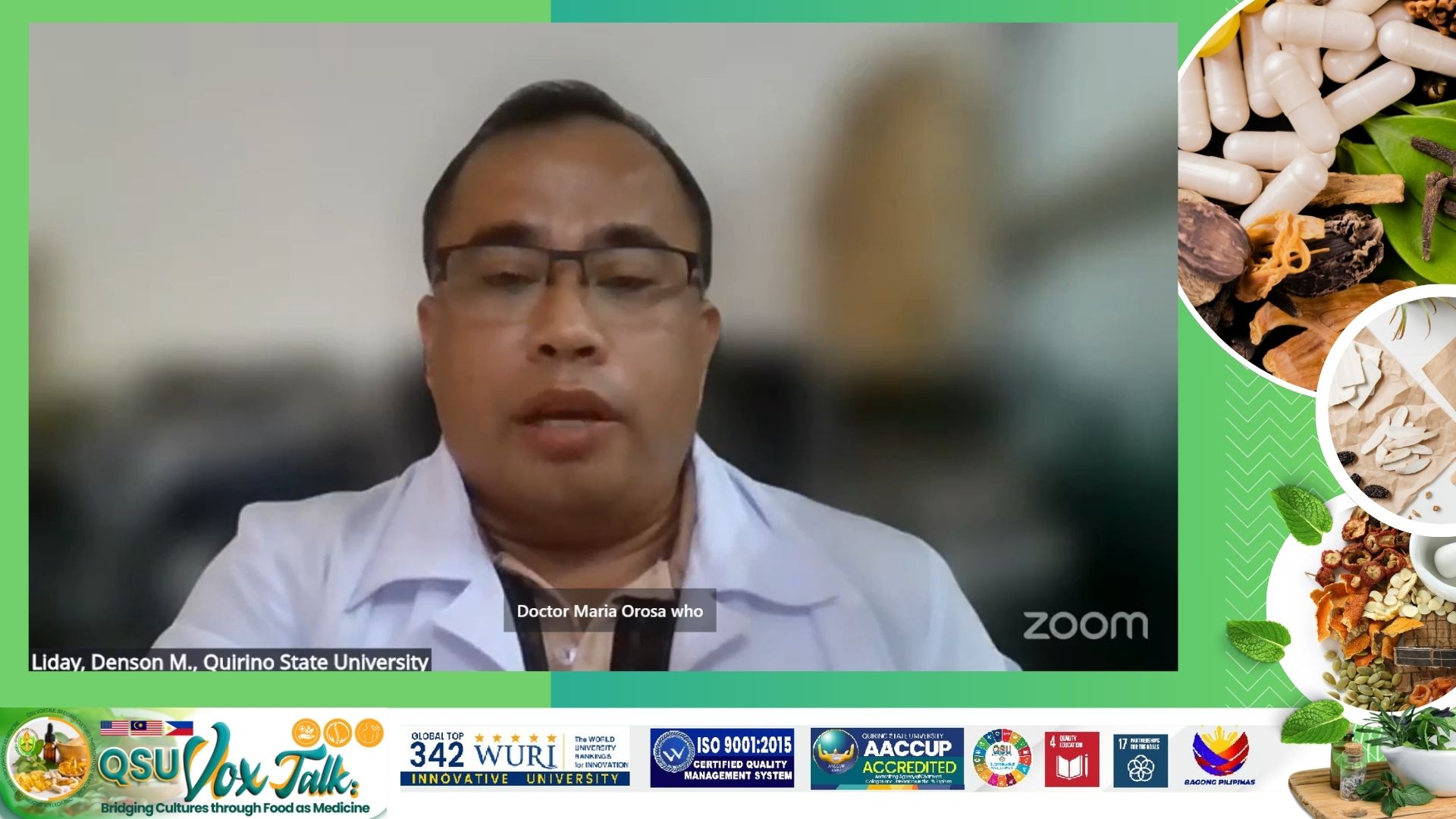
A strong contingent of QSU experts represented the Philippines. Dr. Arlyn J. Yra discussed how nutrition becomes a form of empowerment, explaining that food has the power to heal the body and transform how one lives. With the numerous research he conducted, Dr. Jonathan Tariga presented how he unlocked the wonders and potential of bamboo shoots as a natural approach to health and wellness. Additionally, Dr. Fredisminda M. Dolojan discussed the vital role of farmers as gatekeepers of the food supply. She called for the cultivation of nutrient-rich crops and emphasized the importance of educating consumers about the power of food to create healthier communities and more vibrant agricultural systems. Moreover, Dr. Denson M. Liday presented the importance of aligning science, policy, and chemistry to integrate food as medicine into the healthcare system, showcasing the potential of scientifically proven Philippine herbs and food products. By doing so, the nation can transition from informal remedies to regulated, evidence-based treatments and transform its crops into globally recognized functional foods.
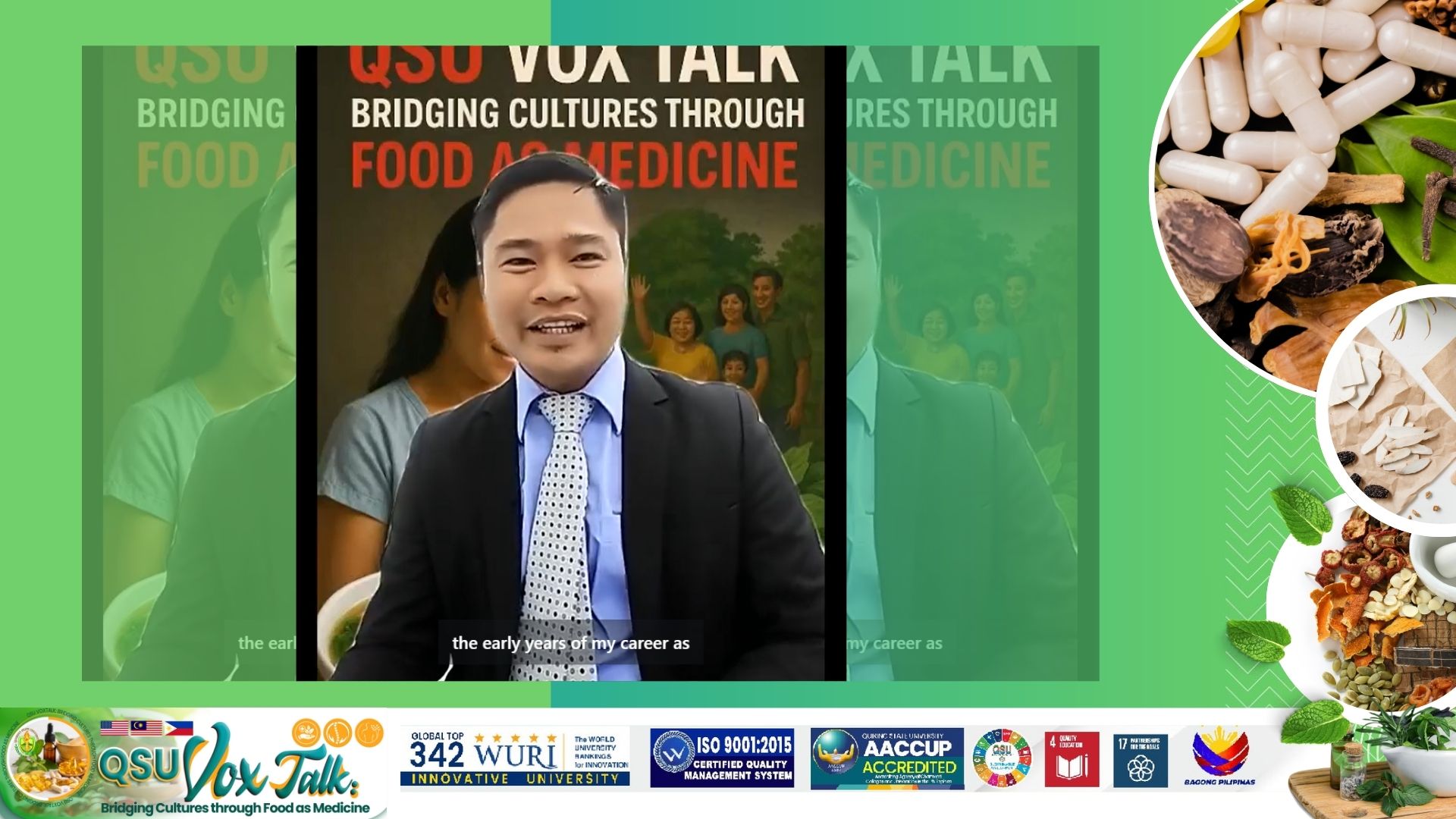
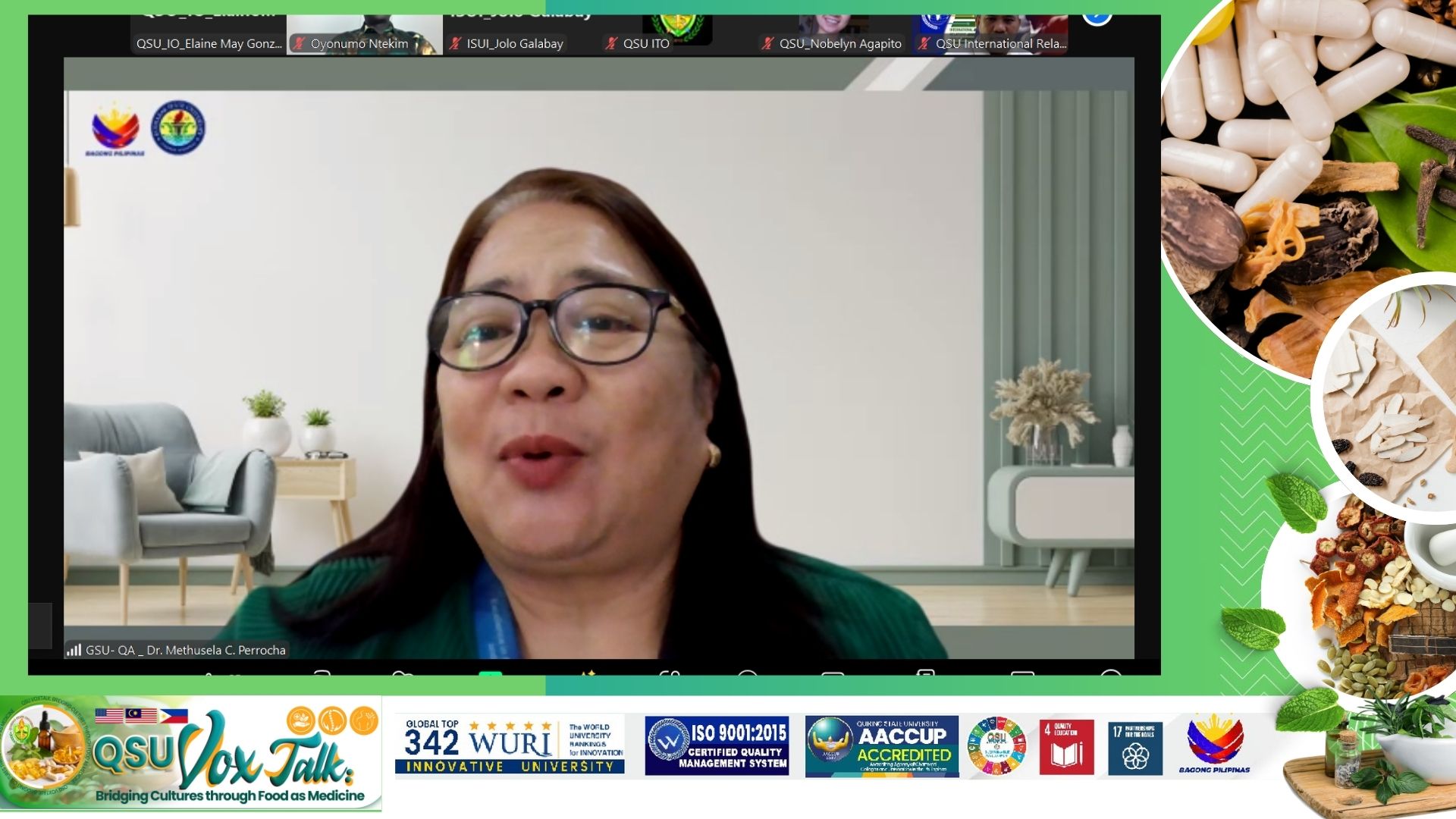
Two other resource speakers from the Philippines provided expertise in the topic. Dr. Jolo Galabay of Isabela State University-Ilagan Campus shared how a traditional Filipino soup serves as a language of love and care, and a form of postpartum medicine. This is due to the synergistic healing effects of its key ingredients, moringa and ginger, noting that culturally rooted foods are now being recognized and integrated into national healthcare systems. Further, Dr. Methusela Perrocha from Guimaras State University advocated the use of local and affordable functional foods like adlai, cassava, and guava leaf tea, which are scientifically proven to help manage blood sugar. She stressed that a food-as-medicine approach is most effective when it is both nutritionally sound and culturally grounded. She concluded that true nutrition involves inclusivity and respect for food choices, ultimately building trust and empowering people to make informed decisions.
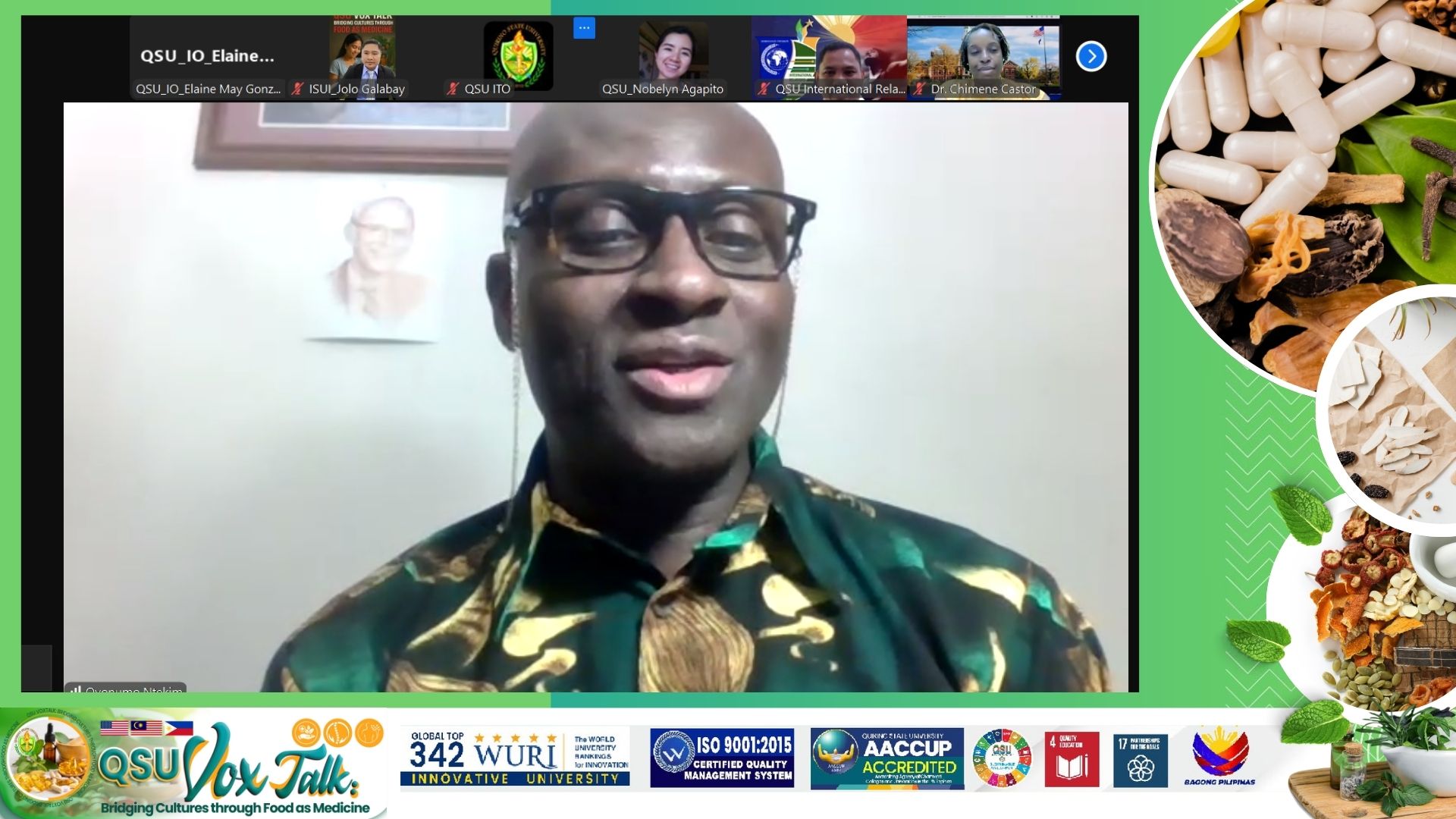
Discussing the crucial link between nutrition and genetics, Dr. Oyonumo Ntekim from the U.S. presented an overview of nutrigenetics and nutrigenomics. He explained how these fields investigate the effects of genes on nutrient response and how nutrients, in turn, influence gene expression. He also encouraged young people to document local traditions to preserve this valuable knowledge for future generations.
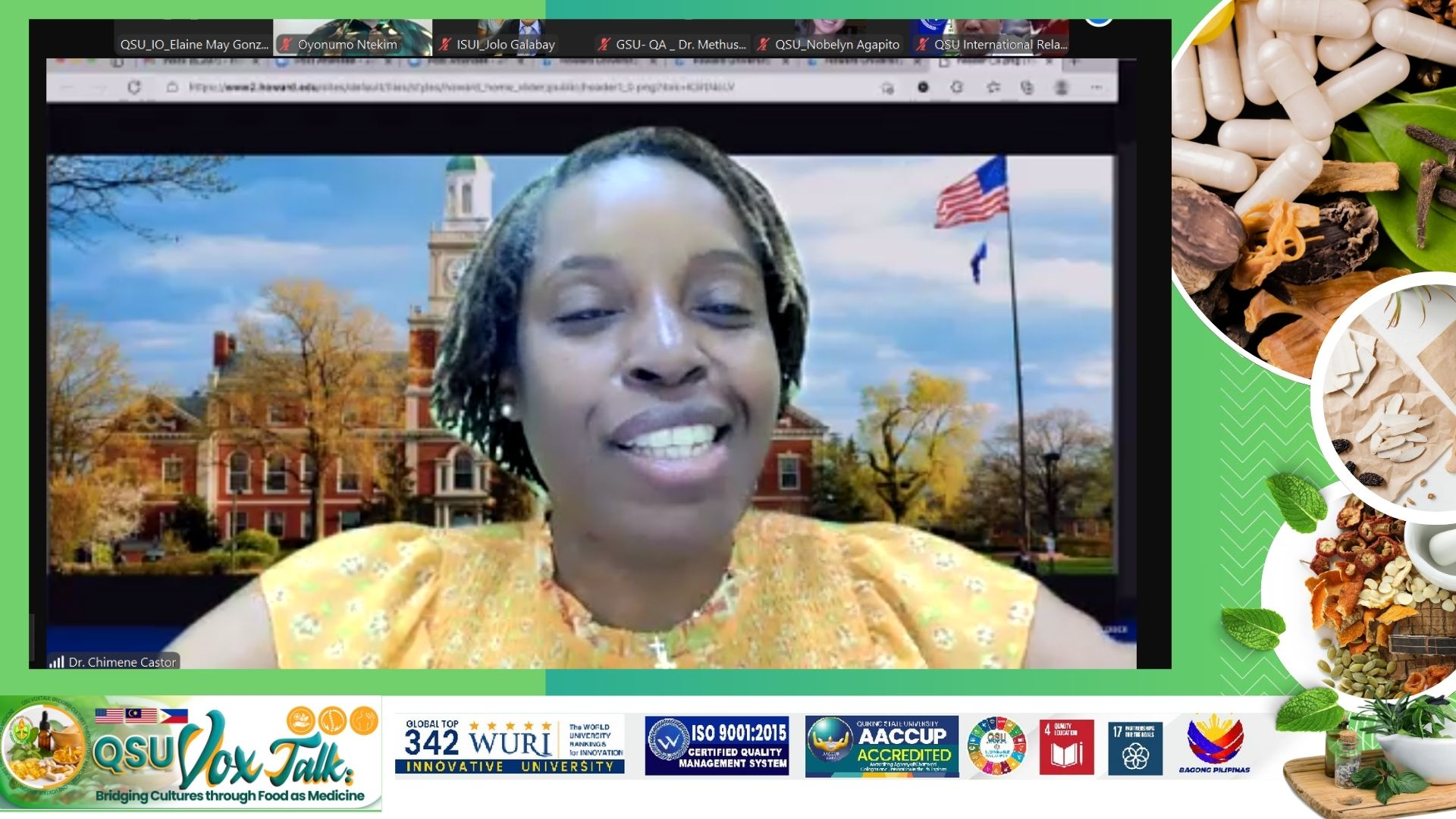
In her keynote address, Dr. Chimene Castor, a Fulbright Specialist from the U.S., synthesized the day’s discussions by challenging participants to look beyond simple hunger and think about what truly constitutes a healthy meal. She emphasized that backyard gardening can be a powerful tool to combat food insecurity and urged the audience to work together on a framework to advance the “food as medicine” movement. Dr. Castor finished her talk by stressing the importance of putting all this new information into action.
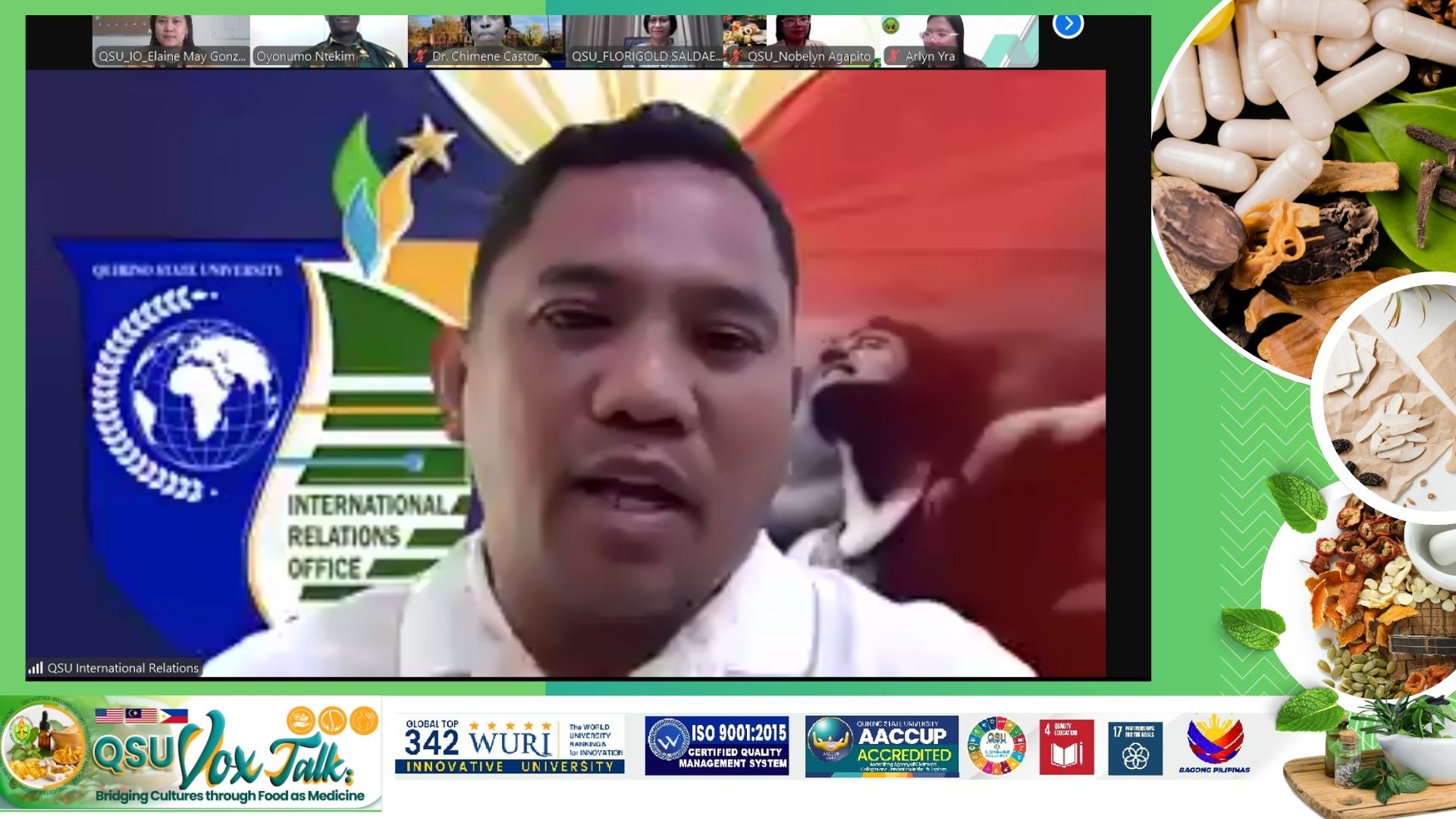
To close the VoxTalk, Dr. Romiro G. Bautista, International Relations Officer and the event’s key organizer, presented certificates to the esteemed speakers. Dr. Florigold V. Saldaen, Vice President for Administration and Finance, thanked the speakers and all who made the event possible. Dr. Saldaen gave appreciation to the program noting that the knowledge shared will help intensify future cross-border education exchanges focused on the role of food as medicine.
Held via Zoom and aired via Facebook live on August 7, 2025, the QSU VoxTalk served as a vibrant platform for intellectual exchange, promoting cross-cultural understanding and emphasizing the richness of regional food systems. By highlighting indigenous knowledge and region-specific innovations, this flagship event successfully positioned the University as an active contributor to global conversations on sustainable development, food diplomacy, and health equity.
|𝐐𝐈𝐎