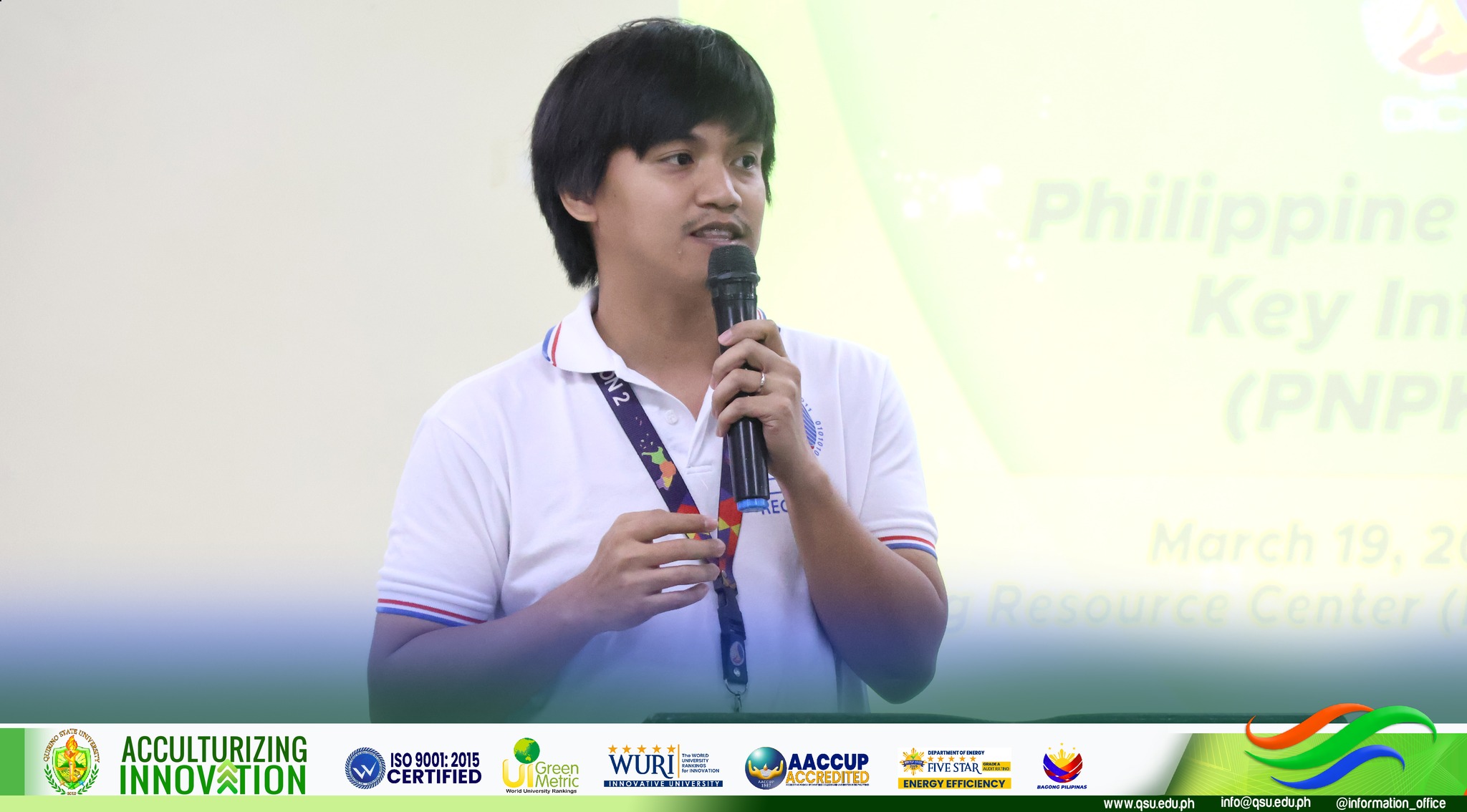



In an effort toward securing its digital operations, the University conducted the Philippine National Public Key Infrastructure (PNPKI) Training on March 19, 2026, at the Learning Resource Center, Diffun Campus.
The event brought together campus administrators, unit heads, and facilitators from the Department of Information and Communications Technology (DICT), with an aim to modernize institutional processes.
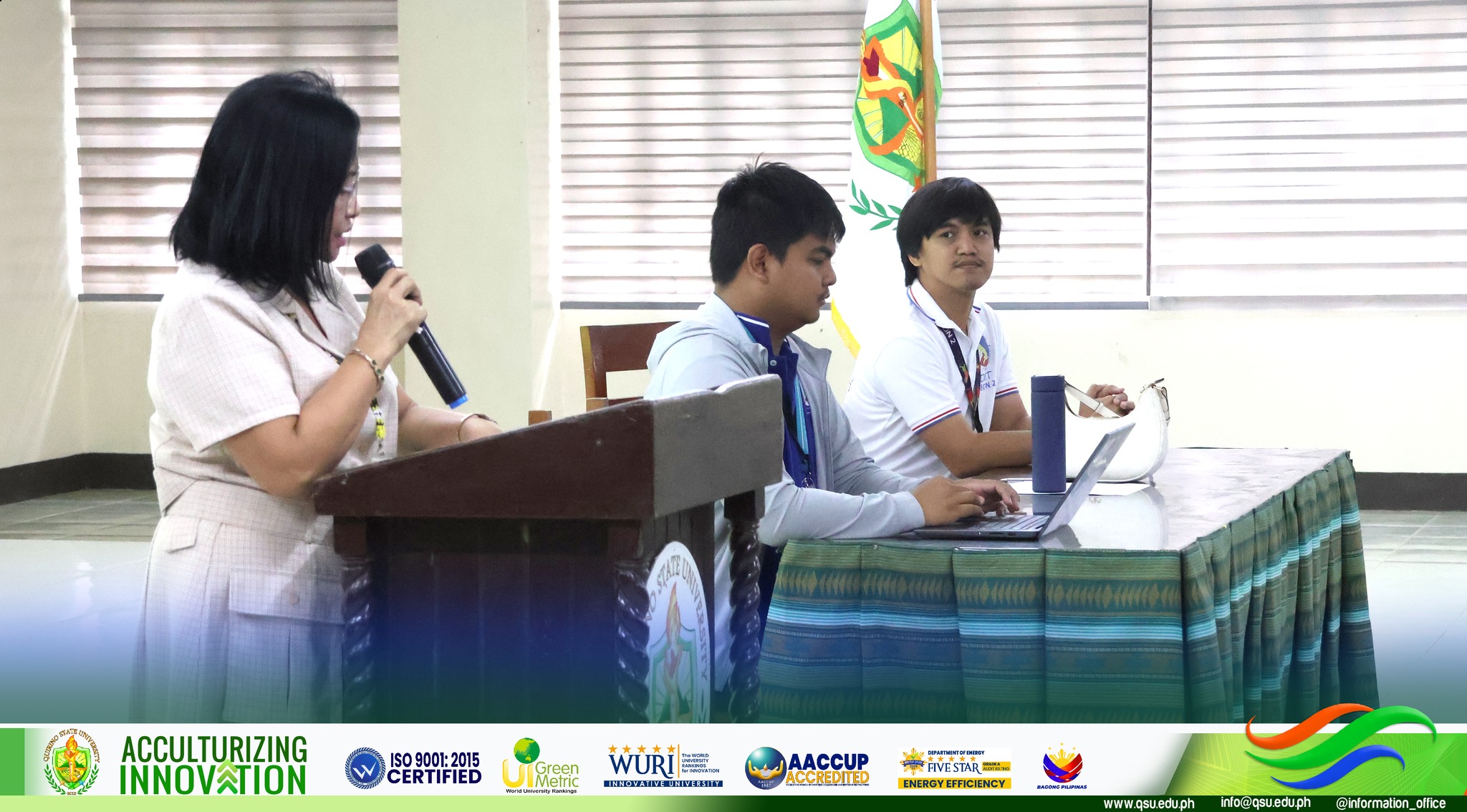
Spearheaded by Dr. Florigold V. Saldaen, Vice President for Administration and Finance, the training opened with a message emphasizing the critical role of PNPKI in fostering reliable and trustworthy online transactions.
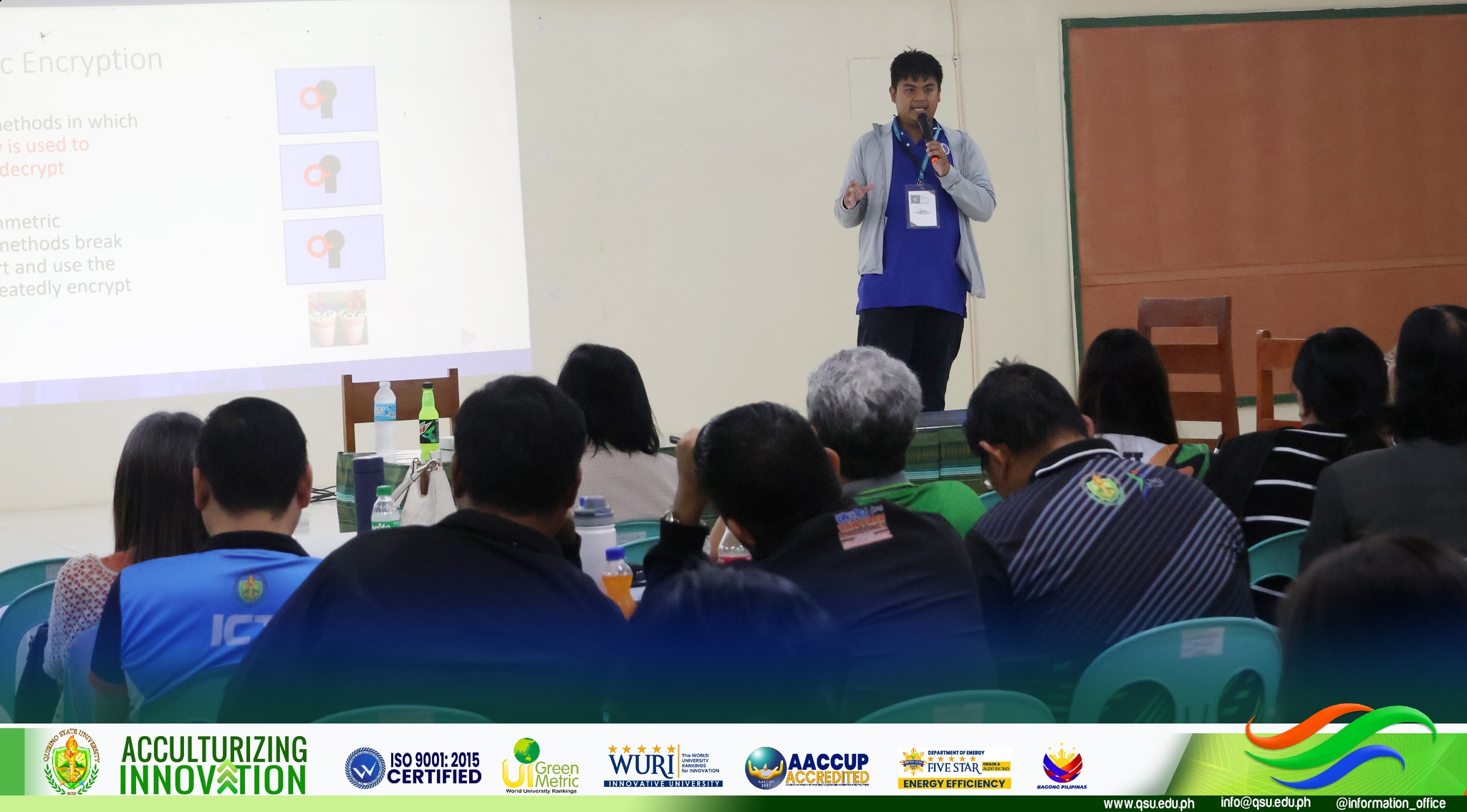
Mr. Enrique Luis Alvarado, Information Officer I of DICT, provided a comprehensive overview of the PNPKI’s evolution. He shared the development of the legal frameworks that support the system, highlighting how these foundations validate and legitimize digital transactions. He further explained the communication model behind PNPKI, equipping participants with a deeper understanding of how secure exchanges are made possible.
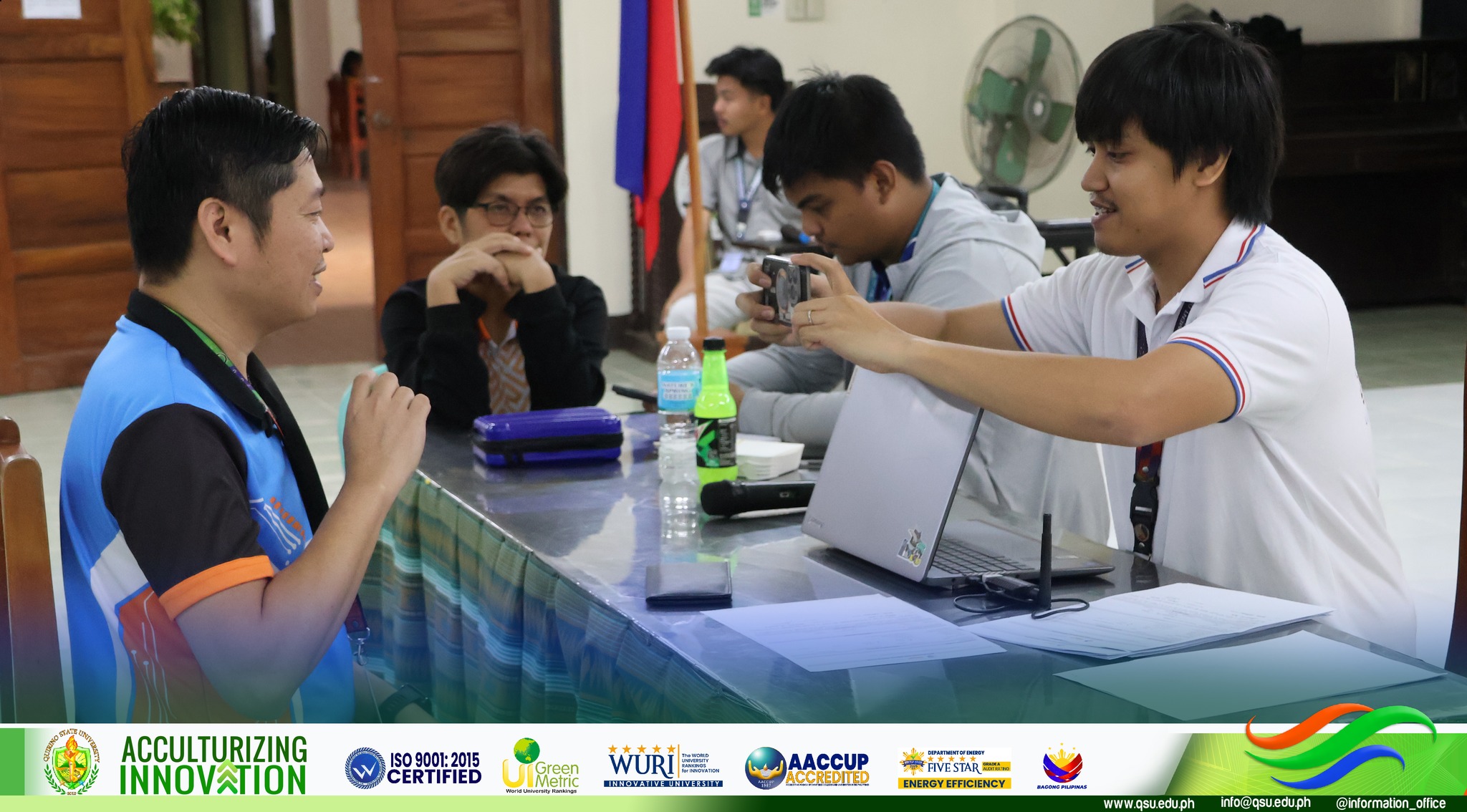
Following the lecture, Engr. Edison S. Agaoid, a DICT representative, led an immersive hands-on session. Through practical exercises, live demonstrations, and clear policy guidance, he guided participants through the step-by-step process of digitally signing documents. The session allowed attendees to experience firsthand the convenience of digital signatures and the broader advantages of transitioning to digital operations transforming abstract concepts into tangible skills.
As the program concluded, Ms. Kristine Joy A. Castillo, Supervising Administrative Officer for Administration, shared the importance of embracing the shift from paper-based to digital workflows, noting that such adoption empowers the institution’s services and strengthens its capacity to serve stakeholders more effectively.
Through the initiative of Ms. Rosalinda N. Espaldon, University DICT Focal Person, and Ms. Rowena Y. Pimentel, Head of the Human Resource Management Unit, the University strengthens its efforts to secure digital governance, protects institutional and personal data, and ensures full compliance with evolving digital standards and government regulations.
Overall, the training established a clear roadmap for securing digital activities across the three campuses. By embedding PNPKI into daily operations, the University is reinforcing the reliability of its online transactions, safeguarding sensitive information against emerging cyber threats, and paving the way for a more effective, productive, and accessible institutional framework.
This initiative marks a significant milestone in the University’s journey toward full digital transformation demonstrating that technology adoption, when paired with strategic training, becomes a powerful catalyst for institutional excellence.